How battery selection affects custom remote control design, manufacturing, and international shipping.
Battery Selection: More Than Just Power and Performance
When developing a custom remote control, battery selection is typically based on product size, power consumption, battery life, and cost. However, there's another consideration that's sometimes overlooked: shipping.
Lithium batteries offer advantages such as compact size, long shelf life, and reliable performance. They can also introduce additional shipping requirements, particularly for products manufactured overseas. At Celadon, we encourage customers to consider these factors early to help avoid unnecessary costs and delays.
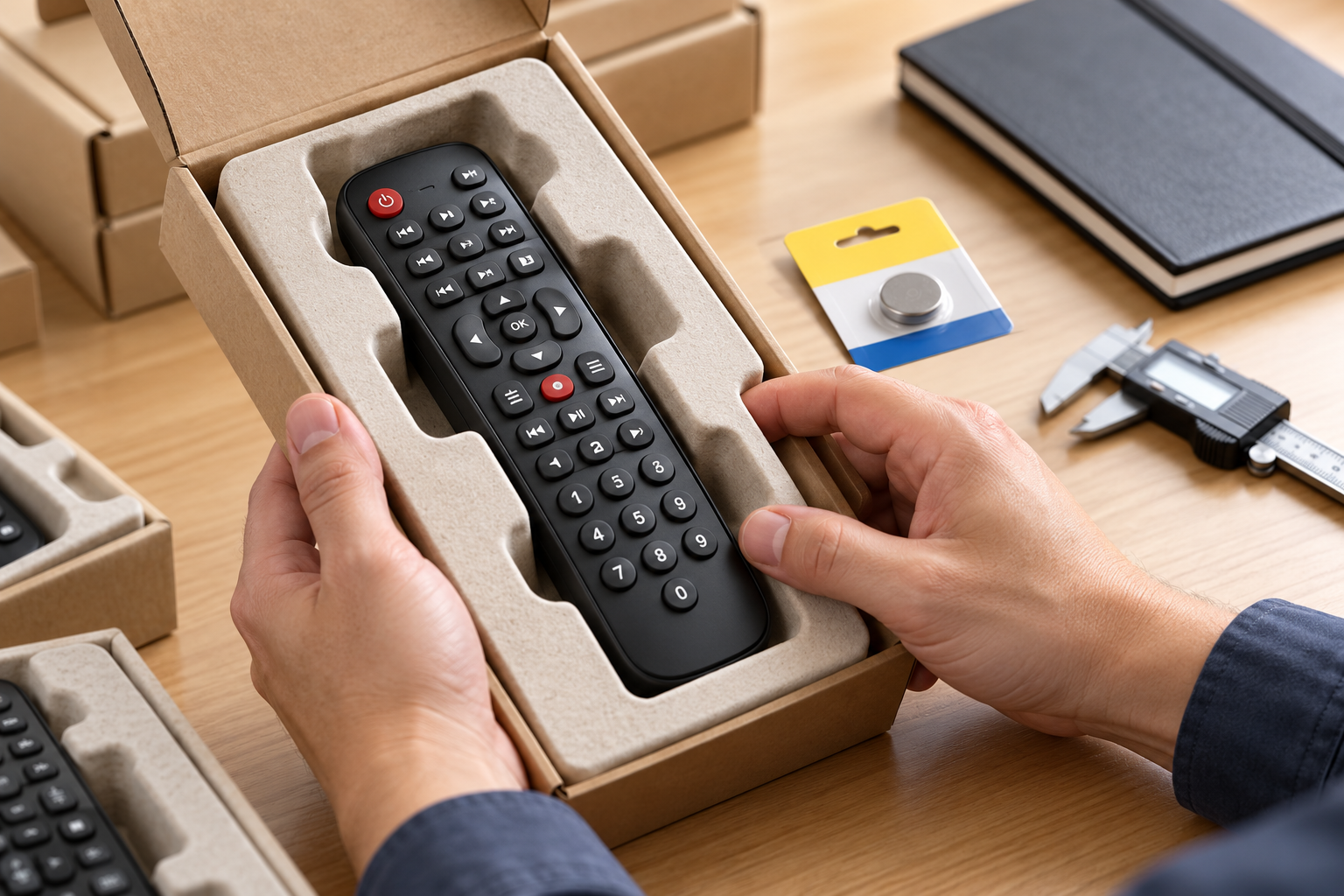
Remote controls containing lithium batteries can often be shipped by air or ocean freight, provided applicable transportation requirements are met.
Choosing the Right Battery for Your Remote Control
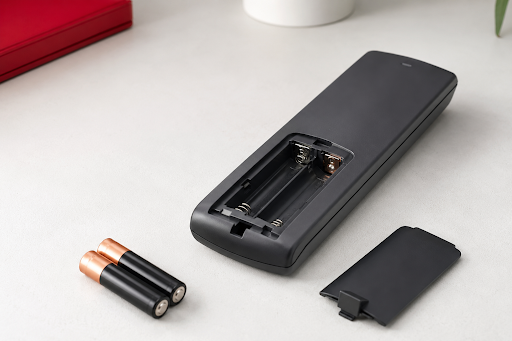
- Alkaline batteries (AA/AAA): Economical, readily available, and generally easier to ship internationally.
- Lithium metal batteries: Non-rechargeable batteries, such as CR2032 coin cells, offering compact size and long shelf life.
- Lithium-ion batteries: Rechargeable batteries typically used where higher power capacity or frequent recharging is needed.
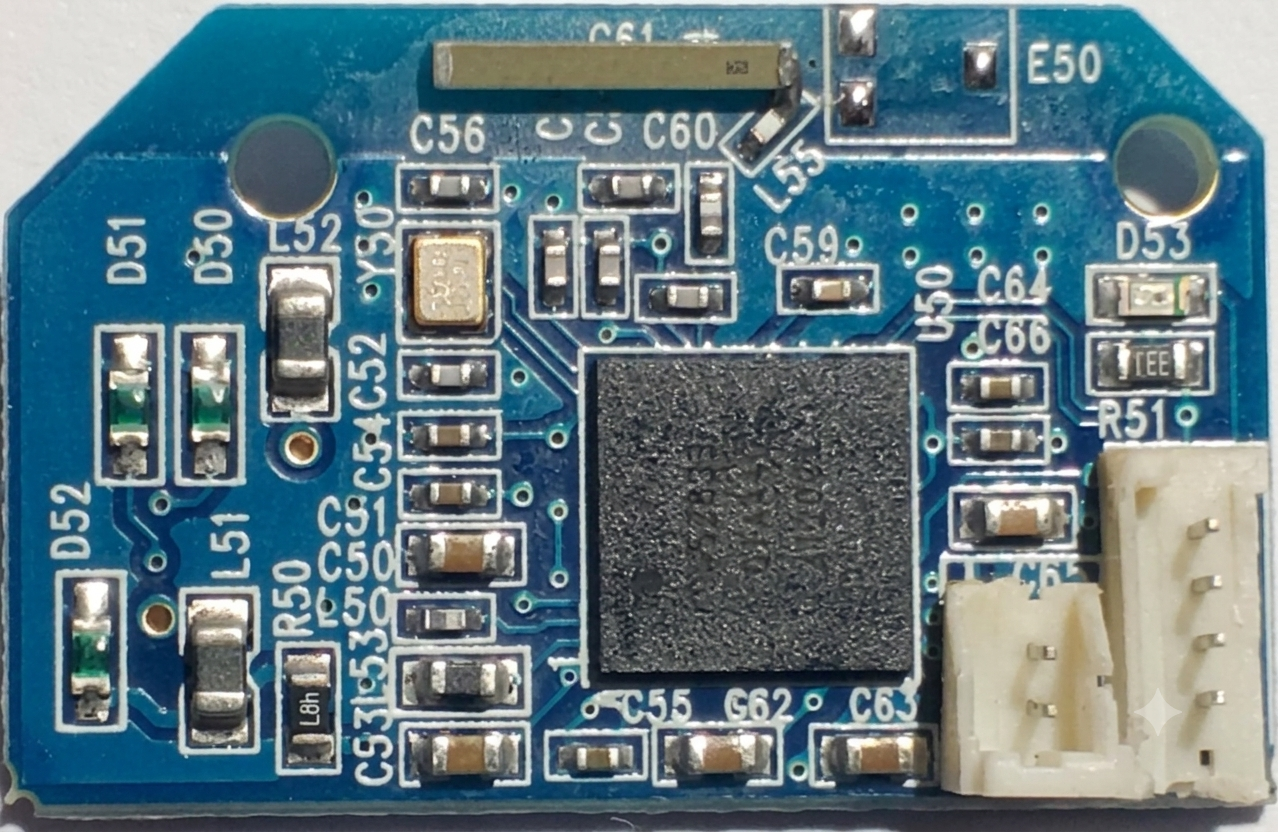
Through our custom tooling and PCB development services, Celadon can help evaluate battery options alongside electrical and mechanical requirements.
How Battery Packaging Affects Shipping
When shipping remote controls with lithium batteries, how the batteries are packaged makes a difference:
| Configuration | Remote control example |
|---|---|
| Installed in equipment | Remote shipped with its battery installed |
| Packed with equipment | Remote and uninstalled battery packaged together |
| Shipped separately | Replacement batteries shipped without remotes |
According to the International Air Transport Association (IATA), shipping requirements depend on battery chemistry, capacity, packaging, and transportation method. Standalone lithium batteries are generally prohibited as cargo on passenger aircraft, although qualifying shipments may travel on cargo aircraft.
Small batteries are not automatically exempt from shipping restrictions, and installed batteries may be treated differently from batteries shipped separately.
Air Freight vs. Ocean Freight
Air freight is commonly used for engineering samples, first article approvals, smaller orders, and time-sensitive deliveries. Ocean freight is generally more economical for larger production quantities when longer transit times are acceptable.
Lithium batteries do not automatically require ocean freight. Many products containing lithium batteries can ship by air if the applicable regulations are satisfied and the carrier accepts the shipment. For certain lithium-ion shipments, state-of-charge limitations may also apply.
Celadon’s manufacturing and logistics capabilities include coordinating international air and ocean freight. Reviewing battery requirements before production can prevent transportation issues from affecting delivery schedules.

Documentation and Compliance
Depending on the battery and shipment configuration, freight providers may require battery specifications and applicable UN 38.3 test documentation. These transportation-related tests must correspond to the actual batteries used in production.
The U.S. Department of Transportation’s PHMSA provides guidance on UN 38.3 test summaries. Substituting a different battery manufacturer or model may require additional review, even when electrical specifications are similar.
For more information, see PHMSA’s Lithium Battery Guide for Shippers.
Planning Ahead Can Save Time and Money
Battery selection should be considered alongside enclosure design, component availability, manufacturing cost, and long-term service requirements. A lithium coin cell may enable a smaller remote, while standard AAA batteries may be easier for customers to replace and source locally.
Think beyond the first production shipment, too. A large order may ship economically by ocean freight, while replacement units may need to travel by air. Returns involving damaged lithium batteries require separate review.
As discussed in our custom remote control development guide, defining product requirements early helps streamline development and manufacturing. The same principle applies to batteries and shipping.
Frequently Asked Questions
Can remote controls with lithium batteries be shipped by air?
Yes, many can, subject to applicable regulations and carrier acceptance.
Is it easier to ship remote controls without batteries?
Sometimes, but consider battery availability, installation, and the end-user experience.
Are small lithium coin cells exempt from shipping restrictions?
Not automatically. Exceptions or reduced requirements depend on the battery and shipment configuration.
Are alkaline batteries a better choice?
For many applications, AA or AAA alkaline batteries balance cost, availability, performance, and shipping convenience.
Developing Your Next Custom Remote Control
With more than 30 years of experience in custom remote control manufacturing, Celadon understands how design decisions affect production, cost, and delivery. From battery selection and PCB development to custom tooling, manufacturing, and shipping, we work with customers to develop practical solutions for their applications.
Note: Lithium battery transportation requirements vary by battery type, packaging, carrier, and destination. Confirm current requirements with your freight provider before shipping.
Planning a new remote control project? Contact Celadon to discuss your product requirements and manufacturing options.