FCC Equipment Authorization May Be Changing
Regulatory Update | September 2026
FCC Equipment Authorization May Be Changing: What Product Developers Should Prepare for Now
The FCC is considering SDoC registration, HBOM/SBOM disclosure, supply-chain reporting, and possible authorization renewals. Here is what manufacturers of remotes, receivers, and other electronic products should know.
The Short Answer
The Federal Communications Commission has not yet adopted the sweeping equipment-authorization changes now under discussion. However, in ET Docket No. 21-232, the FCC is considering rules that could require public registration of devices using the Supplier's Declaration of Conformity (SDoC) process, hardware and software bill-of-materials disclosures for certification applicants, deeper supply-chain and white-label reporting, fixed authorization terms and renewals, and a U.S.-based liable party for certified equipment.
Comments are due September 8, 2026, and reply comments are due September 21, 2026. Product teams should not treat the proposals as current obligations, but they should treat them as a clear planning signal: authorization records, model and brand relationships, component sources, firmware dependencies, and U.S. compliance roles may soon matter throughout a product's commercial life - not only at the test lab before launch.
Why This FCC Proposal Matters to Product Developers
The FCC currently uses two principal equipment-authorization paths: Certification and Supplier's Declaration of Conformity. Certification generally applies to intentional radiators such as many RF remotes; SDoC often applies to unintentional radiators and digital devices such as receivers. Composite products can involve both paths.
Under today's SDoC framework, the U.S.-based responsible party makes or obtains the required measurements, ensures that the equipment complies, maintains the necessary records, and supplies compliance information with the product. The FCC does not presently require every SDoC device to be entered into a universal public registration system. See the current SDoC rule in 47 CFR 2.906.
The new proposal would move the system toward more centralized visibility and continuing accountability. A product authorization could become less like a one-time gate and more like an actively maintained compliance record connected to changing components, software, production sites, brand names, importers, and sales channels.
Current Approach Compared With the FCC Proposals
| Area | Current approach | Proposal under consideration |
|---|---|---|
| SDoC devices | Responsible party ensures compliance, keeps records, and provides required product information. | Register each SDoC device with the FCC, receive a public unique identifier, and potentially display it on the device or packaging, compliance statement, and online listings. |
| Bills of materials | Technical records are required, but there is no universal HBOM/SBOM filing requirement for all equipment authorizations. | Certification applicants could be required to submit signed HBOM and SBOM records identifying component producers, production locations, and value attributed to each location, with updates after changes. |
| Authorization term | An equipment authorization generally remains valid indefinitely unless revoked or otherwise limited, subject to continued compliance. | Authorizations could expire after a fixed term; the FCC tentatively suggests ten years and asks how renewal or reauthorization should work. |
| Product identity | FCC IDs, model identification, change-in-identification procedures, and SDoC records connect the tested product to the marketed device. | Applicants could face broader disclosure of producers plus all brand and model names associated with an authorization, limiting the ability to obscure covered equipment through white labeling. |
| U.S. accountability | SDoC already requires a U.S.-based responsible party; certified products use the current grantee and agent structures. | Every certification applicant or grantee could need a U.S.-based liable party with direct compliance responsibility. |
Source: FCC Third Further Notice of Proposed Rulemaking summary, published August 7, 2026. This table summarizes selected proposals and is not a substitute for the full notice.
What Are the Most Important Proposed Changes?
1. Public Registration for SDoC Devices
The FCC proposes requiring devices authorized through SDoC to be registered before marketing. Each device would receive a unique identification number, and registration information would generally be publicly available unless confidential treatment applies. The proposed rule text also contemplates displaying the identifier on the device or packaging, in the compliance information statement, and in online product listings.
For manufacturers, importers, and OEM customers, this could add a formal filing and labeling step to a pathway that currently relies heavily on the responsible party's testing, records, and product documentation. It could also create new coordination needs when the same underlying product is sold under several model names or customer brands.
2. Hardware and Software Bills of Materials
The FCC seeks comment on requiring applicants for equipment certification to submit a written and signed hardware bill of materials (HBOM) and software bill of materials (SBOM). Those records could identify each component's producer, production location or locations, and the percentage of component value attributable to each location. The proposal also asks about updates within 30 days of a change.
The FCC is still considering scope. It asks whether a requirement should apply broadly or be narrowed to higher-risk equipment, Covered List sectors, or categories such as logic-bearing hardware, modular transmitters, and semiconductors. For SDoC registration, the Commission separately asks whether HBOM or SBOM data should be included in the registration record.
3. Deeper Supply-Chain and White-Label Disclosure
The proceeding is driven in large part by national-security concerns about equipment and components associated with entities on the FCC Covered List. The FCC asks whether applicants should disclose every entity involved in producing a device and whether the agency should codify a broad meaning of "produced by." It also addresses private-label and rebranded products, including possible disclosure of all brand and model names connected to one FCC ID.
This is especially relevant to OEM and ODM programs. One electrical design may appear in several housings, artwork versions, customer brands, or model families. If the rules move forward, the product record may need to show those relationships more clearly and remain synchronized as suppliers, production sites, firmware, or customer branding changes.
4. Fixed Authorization Terms and Renewal
Today, equipment authorizations generally remain valid indefinitely unless revoked or otherwise limited. The FCC asks whether authorizations should instead expire after a fixed term and tentatively suggests ten years. It also seeks input on renewal, streamlined renewal, expedited reauthorization, and how an expiration framework might apply to SDoC-authorized equipment.
A renewal system could introduce a new lifecycle checkpoint for products that stay in the market for many years. That is common in medical, industrial, hospitality, education, and specialized control applications. Long-lived products would benefit from organized authorization files, component histories, approved changes, current labeling, and a clearly identified compliance owner.
5. A U.S.-Based Liable Party for Certified Equipment
SDoC already requires a U.S.-based responsible party. The FCC now proposes a parallel accountability structure for certified equipment by requiring every certification applicant or grantee to have a U.S.-based liable party. Depending on the business arrangement, that party could be a U.S. manufacturer or assembler, importer, a retailer or other party that agrees to take the role, or the party responsible for an unauthorized modification.
This could matter to overseas manufacturers, U.S. importers, private-label customers, and development partners. Agreements may need to state more explicitly who controls compliance records, approves changes, responds to FCC requests, and carries responsibility after a product or business relationship changes hands.
6. Marketplace, Importation, and Marketing Controls
The FCC is also considering stronger verification duties for online marketplaces, tighter import conditions for covered equipment, restrictions on pre-authorization marketing, and streamlined revocation procedures. These questions extend beyond the engineering lab. They connect equipment authorization to packaging, ecommerce data, import documentation, product listings, and post-market enforcement.
What Should Manufacturers and Product Teams Do Now?
No company should redesign a product solely because an FCC proposal may change. A better response is to improve readiness using steps that support compliance and product quality under either outcome.
- Build an authorization inventory. List active, pending, and planned products; their FCC IDs or SDoC status; authorization dates; U.S. responsible parties; importers; and the brands and model numbers used in the market.
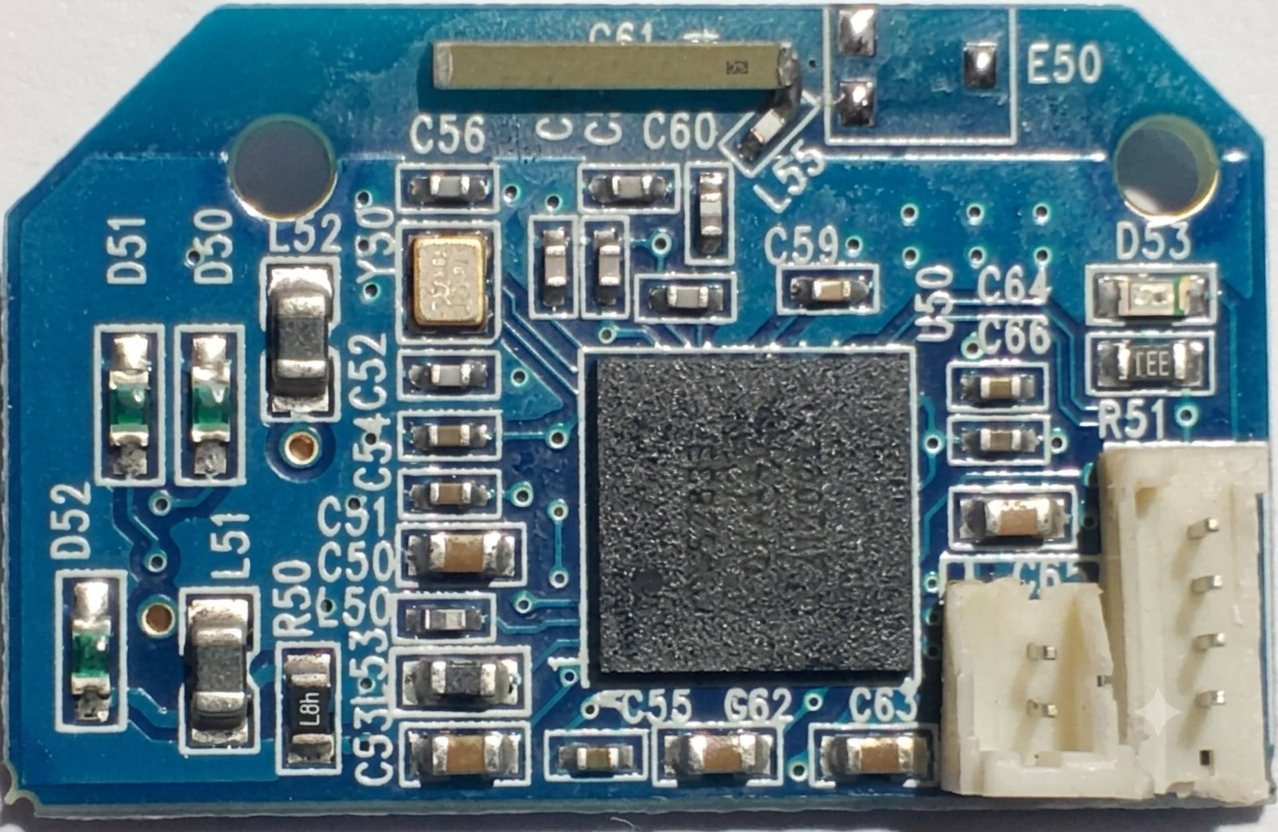
- Connect each marketed model to its technical configuration. Record the PCB revision, radio module, antenna, enclosure, firmware version, test report, user information, and product label that define the authorized device.
- Strengthen HBOM and SBOM version control. Keep component manufacturer, part number, production source, software dependency, version, and change history in a form that can be reviewed and updated.
- Map supplier and production changes. Create a review gate for alternate parts, factory moves, redesigns, firmware changes, and white-label variants so regulatory impact is considered before production approval.
- Clarify U.S. compliance responsibility. Confirm which organization is the responsible party today and whether agreements clearly assign recordkeeping, change control, labeling, and response duties.
- Review near-term programs with your lab or certification team. Ask how the proceeding could affect documentation, confidentiality strategy, model-family planning, and launch timing.
- Consider submitting practical comments. Organizations affected by cost, confidentiality, reporting cadence, component sourcing, or renewal should consider giving the FCC specific operational evidence.
Should Your Company Comment on the FCC Proposal?
Companies do not need to be large carriers or government contractors to participate. Product developers, manufacturers, importers, test laboratories, retailers, OEM customers, and industry associations may all have useful information about how the proposed rules would work in practice.
The strongest comments typically explain a concrete operational effect: cost and time to create or update records, protection of confidential technical information, a workable transition period, the needs of long-lived or low-volume products, and which product changes should trigger an update or renewal. Comments are public and should be filed in the FCC's Electronic Comment Filing System under ET Docket No. 21-232.
How Celadon Can Help Build Compliance Into Product Development
The final FCC rules are not yet known, but the direction of the proceeding reinforces an established product-development principle: compliance works best when it is designed into the program rather than added after engineering, tooling, branding, and supplier decisions are locked.
Celadon supports custom infrared and RF remote controls, receivers, and related handheld electronic products from initial requirements through production. That work can include architecture and component planning, custom enclosure and PCB development, microcontroller programming, first-article samples, pre-compliance evaluation, coordination with accredited EMC laboratories, manufacturing, and ongoing product support.
For a new or updated product, Celadon can help organize the technical and manufacturing decisions that feed a reliable compliance record: the intended authorization path, the tested configuration, model and brand relationships, component and firmware revisions, product labeling, and change-control checkpoints. Formal interpretations and filings should still be coordinated with the appropriate accredited laboratory, Telecommunication Certification Body, regulatory specialist, or legal counsel.
Planning a custom remote, receiver, or handheld electronic product?
Contact Celadon early to reduce surprises at the lab, evaluate supplier changes more efficiently, and build a stronger compliance foundation.
Informational notice: This article provides a general overview of an FCC rulemaking proposal as of September 3, 2026. It is not legal advice, a certification determination, or a substitute for reviewing final FCC rules and product-specific guidance.
Frequently Asked Questions
Are the new FCC equipment-authorization requirements already in effect?
No. The registration, HBOM/SBOM, term-limit, renewal, and U.S.-liable-party measures discussed here are proposals in a pending rulemaking. Existing FCC requirements remain in force unless and until final rules take effect.
What is an FCC Supplier's Declaration of Conformity?
SDoC is an equipment-authorization procedure in which the responsible party makes measurements or completes other FCC-accepted procedures to ensure that the equipment meets applicable technical and administrative requirements. The responsible party for SDoC must be located in the United States.
Would every SDoC device have to be registered?
The FCC proposes registration for devices authorized through SDoC, but the scope, required information, identifiers, labeling, implementation timing, and treatment of existing products remain subject to the rulemaking process.
Would the FCC require both an HBOM and an SBOM?
The FCC seeks comment on requiring certification applicants to submit written and signed hardware and software bills of materials. It also asks whether SDoC registration should include HBOM or SBOM information. These details are not final.
Could an existing FCC authorization expire?
Under the current general approach, equipment authorizations remain valid indefinitely unless revoked or limited. The FCC is considering fixed terms and tentatively suggests ten years, but it has not established a final duration, renewal process, or transition rule.
What should a company do before the FCC adopts final rules?
Inventory products and authorization records, improve HBOM/SBOM version control, document supply-chain and model relationships, clarify the U.S. compliance owner, and review planned products and significant changes with qualified testing and certification professionals.
Sources and Verification
- Federal Register - FCC Third Further Notice of Proposed Rulemaking summary
- FCC - Full Third Report and Order and Third Further Notice of Proposed Rulemaking
- FCC - Equipment Authorization Procedures
- 47 CFR 2.906 - Supplier's Declaration of Conformity
- 47 CFR 2.1077 - Compliance Information
- 47 CFR 2.909 - Responsible Party
- iCertifi - Supplier overview of the proposed FCC changes
Recommended review date: After September 21, 2026, and again when the FCC issues a final order or materially changes the proceeding schedule.
Mike Griswold • September 27, 2026