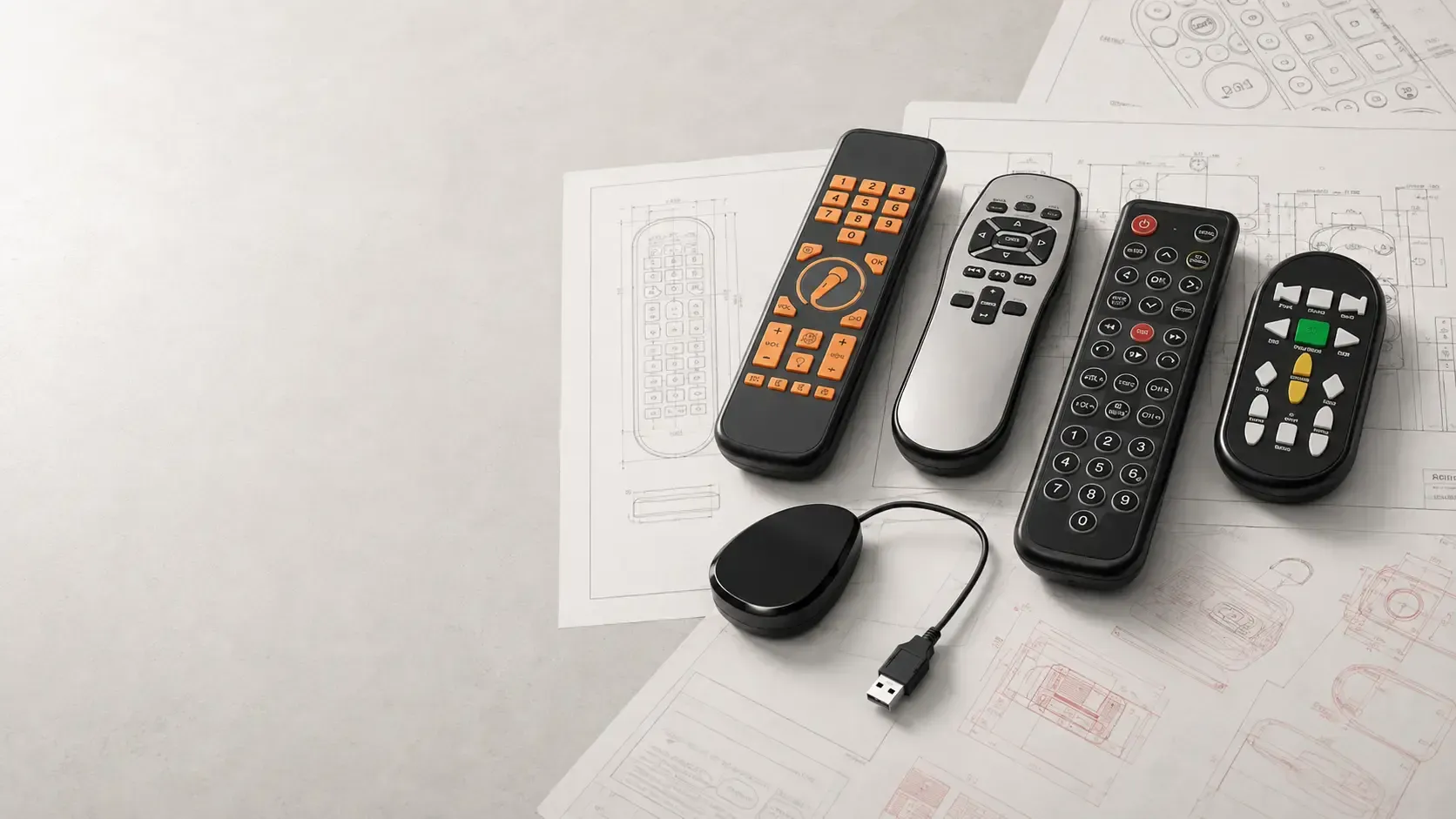
You Want To Develop A Bluetooth® Remote Control Product?

Bluetooth® Declaration Fees: What They Are and Why They Matter

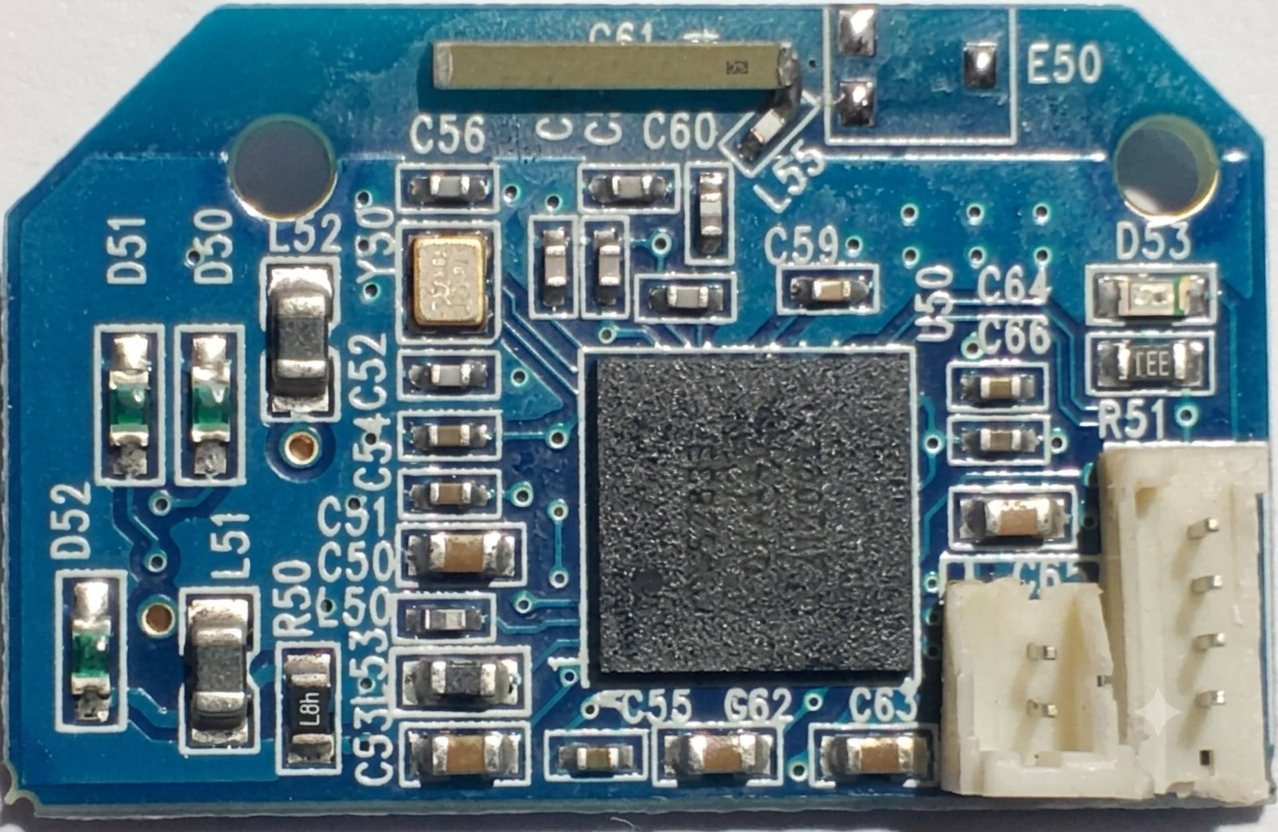
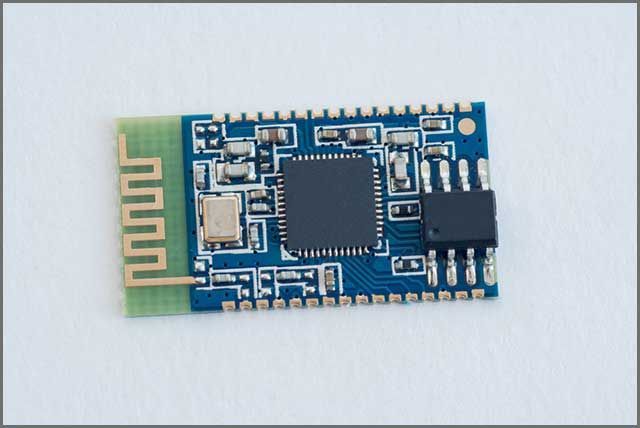
Blue and green Bluetooth module with various electronic components.

As more manufacturers design products around wireless connectivity, there’s a growing need to understand the compliance and licensing requirements that come with integrating Bluetooth functionality. One of the most commonly misunderstood parts of that process is the Bluetooth Declaration Fee.

Whether you're a product developer, an OEM, or a business evaluating your next-generation remote control or embedded solution, knowing how Bluetooth® licensing works can save you time, money, and compliance issues down the road. Here’s a clear breakdown of what Bluetooth® Declaration Fees are, why they exist, and how they affect your product development budget and schedule.


What Is a Bluetooth® Declaration Fee?

Any company creating a product that uses Bluetooth® wireless technology must be listed as a member of the Bluetooth® Special Interest Group (SIG). Membership ensures that your product meets the established global standards that make Bluetooth® secure, reliable and interoperable with other Bluetooth® products.

Before a product utilizing Bluetooth® technology is introduced into the market, the manufacturer must submit a Product Declaration to the Bluetooth® SIG. This filing confirms that your device conforms to required specifications.

As part of this filing, companies must pay the Bluetooth® Declaration Fee, which currently ranges depending on membership level. More details can be found on the official Bluetooth SIG website:  

This fee is not optional — it’s a required component of releasing a compliant Bluetooth®-enabled product to the global market.

Why Bluetooth® Declaration Fees Exist

Bluetooth® SIG maintains the global standards that ensure devices from different manufacturers seamlessly communicate. To do that, the organization invests in:


  • Innovation and development of the Bluetooth® technical standard

  • Interoperability testing and certification

  • Security updates

  • Global trademark management and protection

The declaration fee helps fund and sustain these efforts. Without it, the Bluetooth® ecosystem would lack the reliability and security consumers expect.

Who Needs to Pay the Fee?

Any company publicly selling a device that includes Bluetooth® functionality — even if they didn’t design the Bluetooth® module themselves — must pay the declaration fee once the product is ready to be released.


You need to pay the fee if:


  • You manufacture a product with integrated Bluetooth® technology

  • You private-label or rebrand another company’s Bluetooth®-based product

  • You modify an existing Bluetooth®-enabled design in a way that requires a new listing

This requirement applies whether you’re creating a standalone Bluetooth® device, adding Bluetooth® to a larger system, or developing an accessory that communicates wirelessly.

For additional clarity, Bluetooth® SIG provides an eligibility overview:

How Declaration Fees Affect Your Product Development Timeline

Understanding declaration fees early in the planning process helps manufacturers avoid surprises during the compliance phase. The declaration step typically comes near the end of product development, after testing and validation are complete.


Products cannot legally be sold utilizing Bluetooth® technology or using the Bluetooth® trademark or logo until the declaration has been filed and fees have been paid.

To avoid delays, many companies work with experienced integration partners — like Celadon — who can streamline the development and compliance process, ensuring everything is properly documented and filed.


It is important to note that in addition to Bluetooth® declaration fees, all radio frequency products must be tested and certified for electromagnetic compliance (EMC). Celadon would typically process Bluetooth® declaration filings at the conclusion of EMC testing and prior to the start of mass production.


How Celadon Helps Navigate Bluetooth® Compliance

Bluetooth® compliance can be complicated, especially for companies producing their first connected device. Celadon brings more than three decades of remote control, embedded system, and wireless device expertise, helping organizations move through product development smoothly and cost-effectively.


Our engineering teams work with clients from concept through certification, ensuring compliance with Bluetooth® SIG requirements while optimizing performance, cost, and manufacturability.


Here are a few relevant Celadon services you can explore:


Custom Remote Control Solutions

Custom Tooling & Product Development Support


When Bluetooth is part of your design, we help ensure your device is qualified, documented, and ready for market — without unnecessary delays or compliance issues.


Tips for Managing Bluetooth® Declaration Costs

Bluetooth® declaration fees are a fixed cost of bringing a product to market, but strategic planning helps minimize unnecessary expenses. A few best practices include:


  • Plan compliance early. Add certification checkpoints into your development workflow.

  • Avoid redundant filings. Reusing qualified designs can reduce the need for additional declarations.

  • Choose the right module or chipset. Pre-qualified modules can streamline the process.

  • Partner with an experienced developer. Engineering teams familiar with Bluetooth SIG requirements can prevent costly mistakes.

Celadon regularly advises clients on Bluetooth® integration strategies that reduce development time and keep total development costs predictable. If your next project involves Bluetooth® or other wireless technologies, Celadon is here to help guide the process from design through qualification. With the right partner, Bluetooth® compliance becomes a smooth, efficient part of bringing your product to life.

Contact Us

Celadon provides free consultation services to discuss any new Infrared, Radio Frequency, or custom product development projects. Please complete the Contact Us form on our website and a representative will contact you to discuss your project. https://celadon.com/contact-us/

Mike Griswold • December 10, 2025

By Mike Griswold October 30, 2025
If you’ve ever wished your handheld device could top-off in minutes instead of hours, supercapacitors (also called EDLCs) deserve a look. While they aren’t drop-in replacements for every lithium battery, pairing supercapacitors with USB-C Power Delivery (USB-PD) opens up fast, repeatable charging for custom remotes, receivers, industrial handhelds, and other embedded products—without sacrificing longevity or safety.
Diagram showing placement and artwork specifications for a label on a device, including dimensions and color.
By Mike Griswold September 26, 2025
Take a look into the product labeling requirements that go into the design work for RF remote controls. This is a comprehensive guide engineers need to know about.
By Mike Griswold August 7, 2025
Choosing between Bluetooth® and proprietary RF? Celadon explains how to choose the best wireless tech for your next custom remote control
August 6, 2025
EMC testing and compliance are key in remote control design. See how Celadon minimizes emissions and meets regulatory standards for electromagnetic compatibility.
January 21, 2025
CNET, Mashable, PCMag, ZDNET and Lifehacker scoured miles of booths and exhibits, then debated and handpicked the best new products of CES 2025.
August 7, 2024
This post explains the custom remote control production process ranging from sourcing materials to assembly, testing, packaging and shipping.
June 17, 2024
The process for developing a hospitality remote control using an OEM remote control enclosure. Define product requirements and specifications
By Mike Griswold April 22, 2024
The process of designing a custom remote control with Celadon from Infrared (IR) or Radio Frequency (RF) to various customization options
February 27, 2024
Celadon provided a variation of the SC33 remote control and later a custom tool for a digital audio player for Slim Devices.
By Mike Griswold January 26, 2024
"Explore how the semiconductor and microchips industry has evolved over the past four years, impacted by pandemic-driven supply chain disruptions and changing consumer demands."
Show More