What is IR Technology - And Why It Still Matters in Remote Controls

In a world full of voice assistants, app-based controls, and smart home hubs, one might assume traditional remote controls are outdated. Yet behind most of the handheld devices we point at TVs, soundbars, or media players lies a surprisingly enduring technology: infrared (IR). Despite the rise of Bluetooth, Wi-Fi, and RF-based systems, IR remains a cornerstone of remote control design — and for good reason.

What Is Infrared (IR) Technology?

Infrared refers to a portion of the electromagnetic spectrum just beyond the red edge of visible light. Though invisible to the human eye, IR can carry information in the form of light pulses that electronic devices understand. When you press a button on a remote control, the transmitter — specifically an IR LED — emits a pattern of pulsed infrared light that encodes a command. The receiving device’s photodiode detects these pulses and translates them into binary data, triggering the requested response such as changing the channel, adjusting volume, or powering off.

IR remote controls have been the dominant wireless interface for consumer electronics for decades because of their simplicity, reliability, and cost-effectiveness. Unlike RF (radio frequency) remotes that can operate through walls, IR requires a line of sight between the remote and the device — but this limitation also reduces interference and keeps production costs low.

Why Infrared Is Still Relevant Today

1. Proven, Low-Cost Performance


Even with wireless technologies like Bluetooth and Wi-Fi becoming more common, IR excels in basic remote control tasks because it’s inexpensive and well-understood. The components — an LED emitter and a receiver with simple processing circuitry — add minimal cost, which matters in the highly competitive consumer electronics space.


For manufacturers, this translates into reliable performance without significant hardware overhead. In many TVs, set-top boxes, audio receivers, and home entertainment products, IR remains the standard because it does the job well without needing complex protocols or frequent updates.


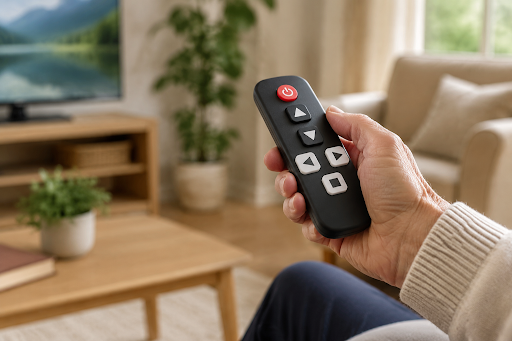
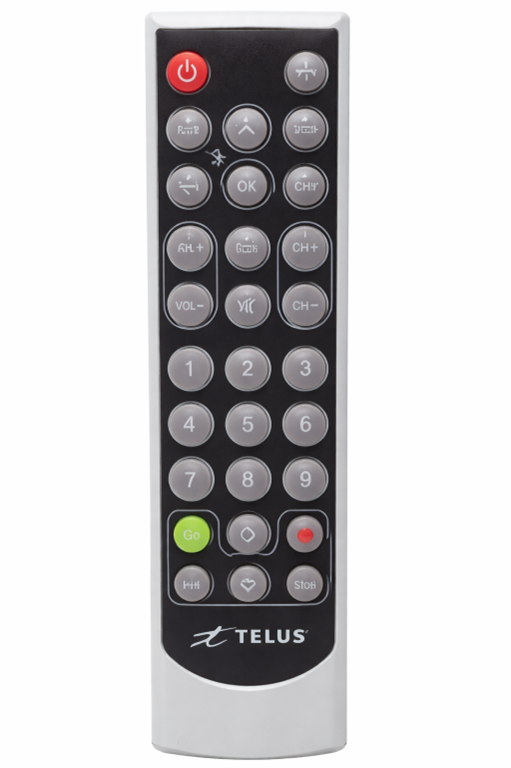
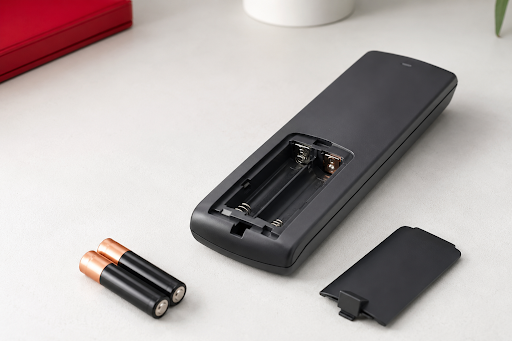
Black remote control with gray buttons on a white surface.

2. Compatibility and Standards


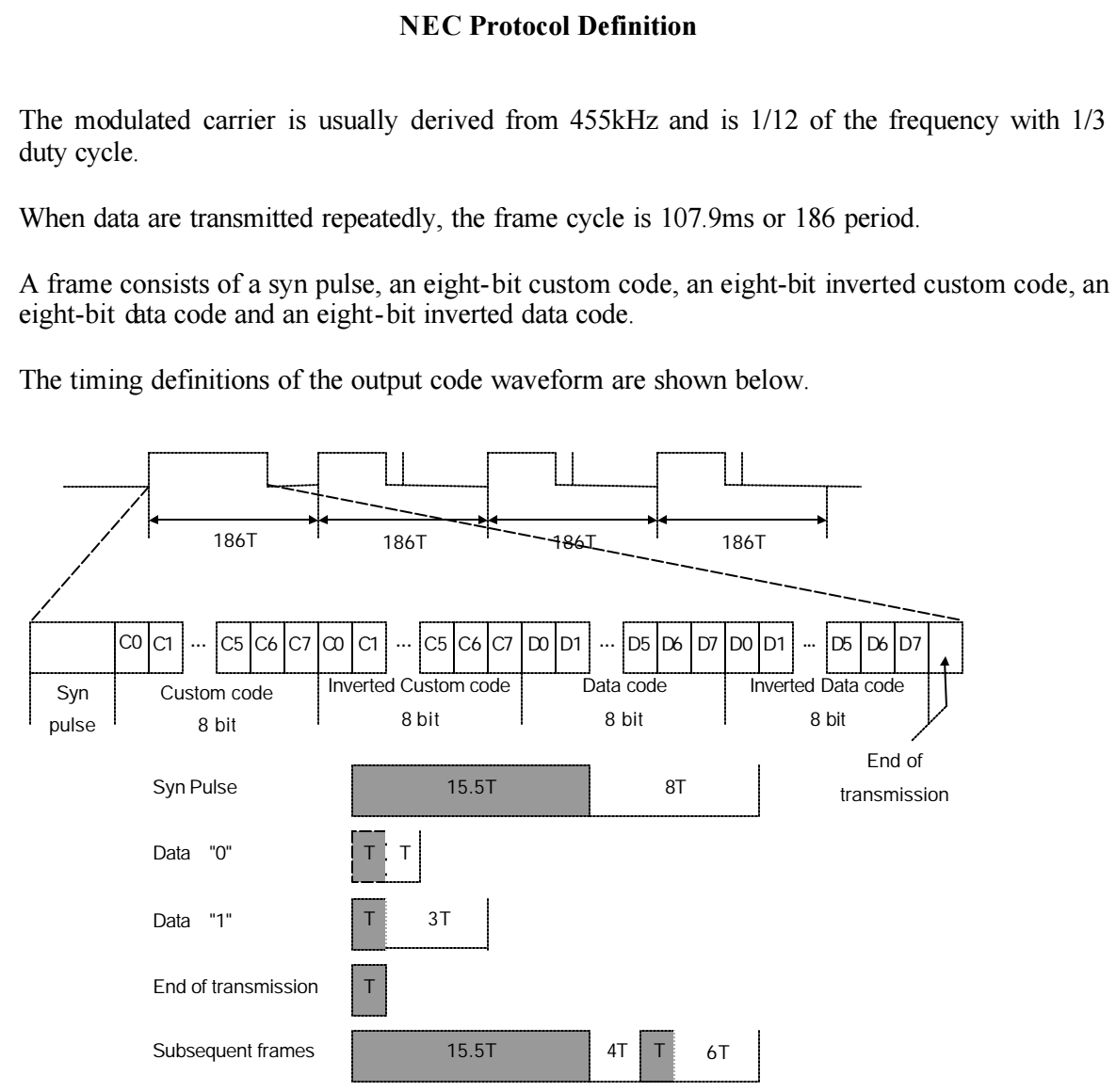
One of IR’s enduring strengths is interoperability. Many devices use standardized IR protocols such as RC-5 or NEC, which allow universal remotes to control multiple brands and types of equipment. This compatibility reduces customer frustration and cuts support costs for manufacturers.


Moreover, IR technology has matured to the point where encoding schemes and modulation techniques reliably avoid interference from ambient light or other electronics — a key consideration in consumer environments filled with competing signals.

Diagram of the NEC protocol, showing timing definitions of output circuit waveform and data frame structure.

3. Integration With Smart Features


While pure IR remotes require line-of-sight, modern designs often integrate IR with other wireless technologies. For example, a smart remote might combine IR for legacy devices with RF or Bluetooth for newer smart devices, or pair with a companion smartphone app for extended control. This hybrid approach lets manufacturers blend the best of both worlds — legacy compatibility and modern convenience.

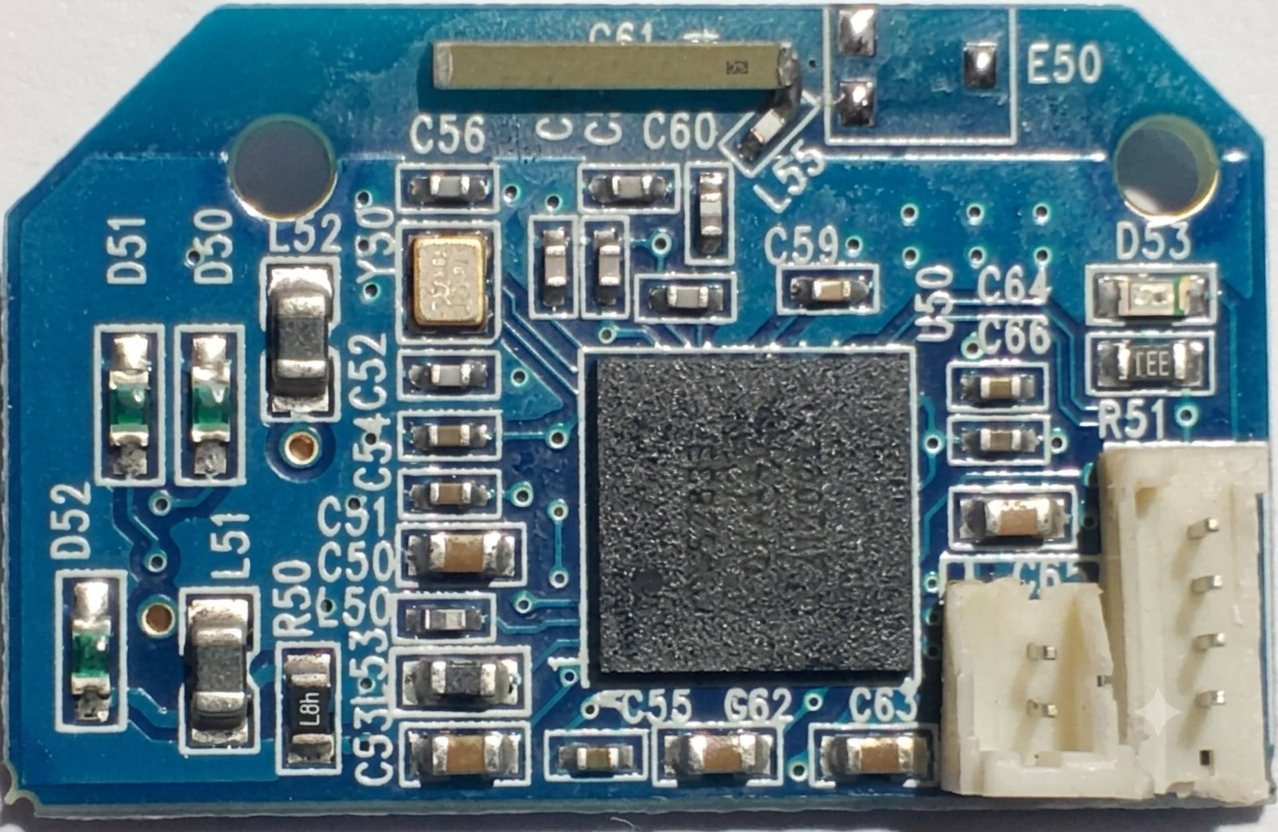
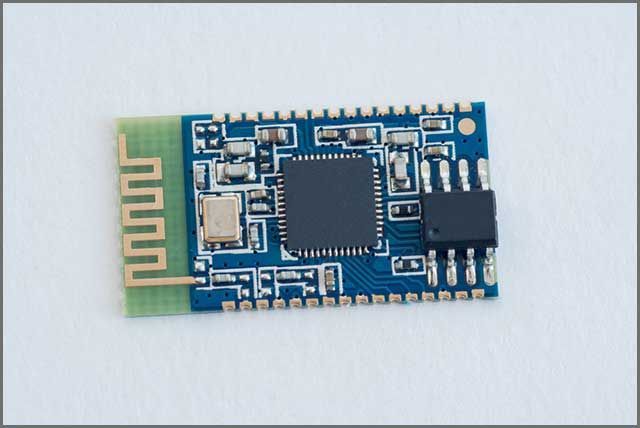
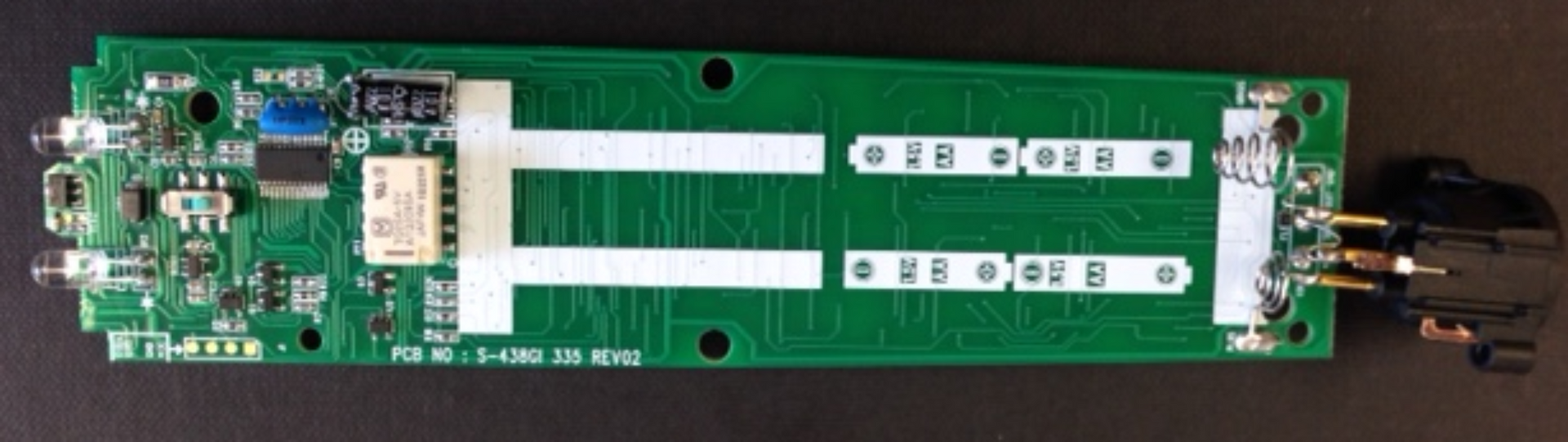
Green circuit board with white markings and various electronic components.

Beyond Traditional Remotes

Infrared isn’t limited to entertainment electronics. It shows up in home automation hubs, air conditioning systems, and even industrial remote systems where secure, short-range command transmission is suitable. The basic principle of transmitting coded commands via light remains effective in many applications because of its simplicity and predictable behavior.

Celadon’s Role in Remote Control Innovation

At Celadon, we understand the importance of choosing the right remote control technology for each application. Whether designing a system that prioritizes cost, range, compatibility, or integration with smart features, IR technology often plays a critical role — particularly where reliability and low-power operation matter most. Learn more about our approach to remote control solutions on our Celadon OEM Remote Control Solutions.

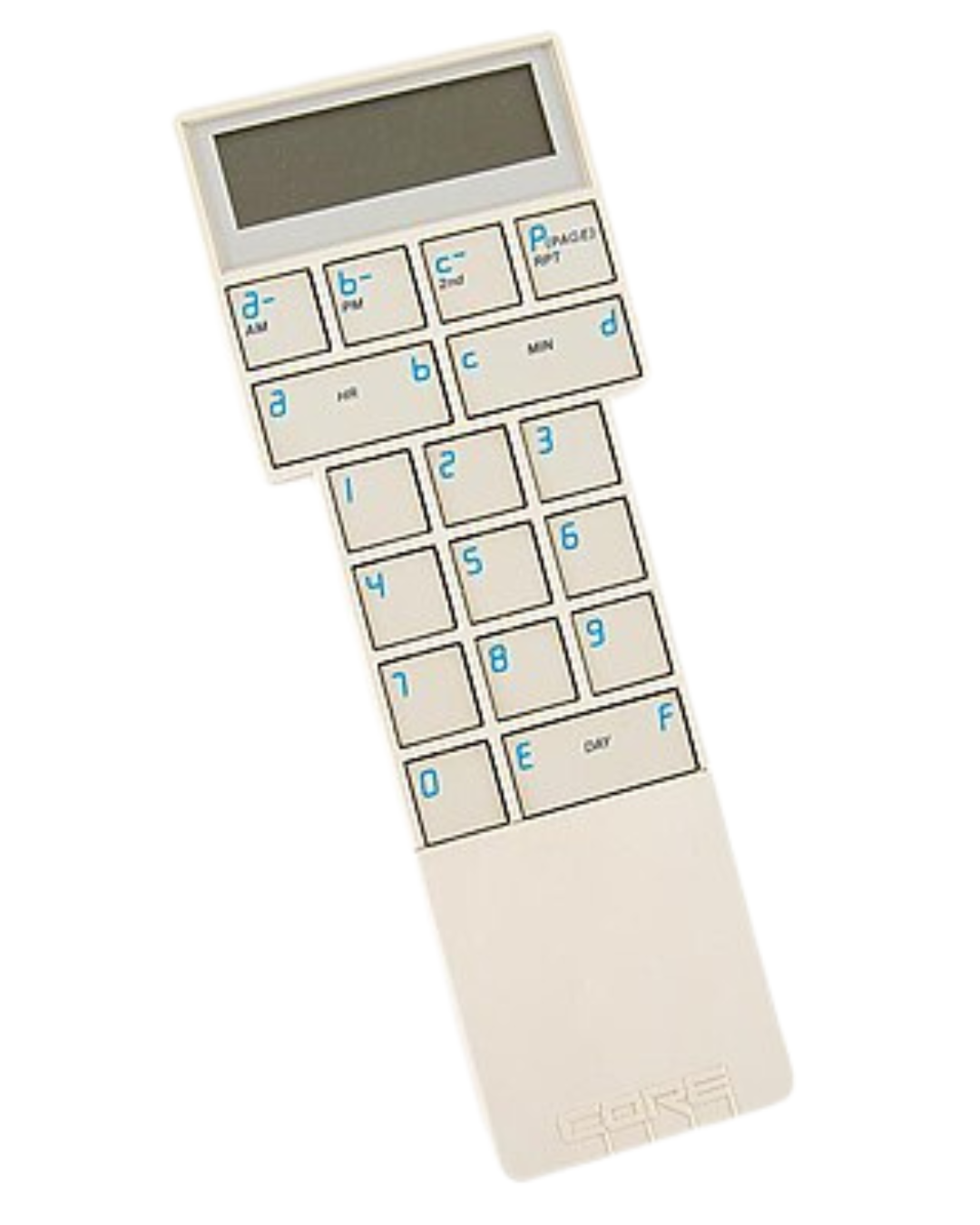
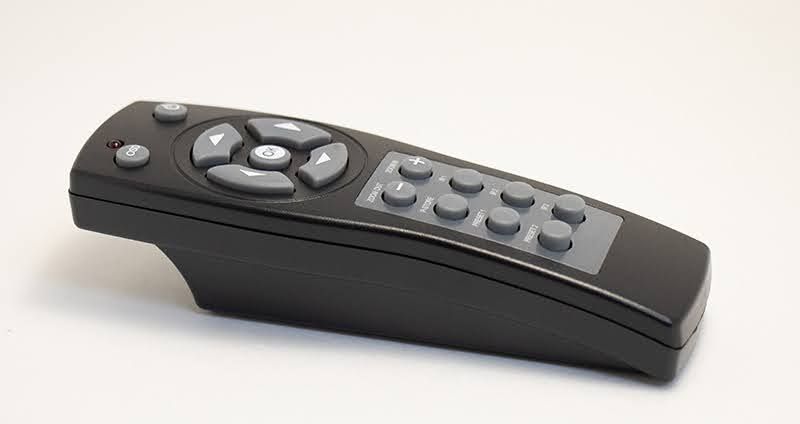
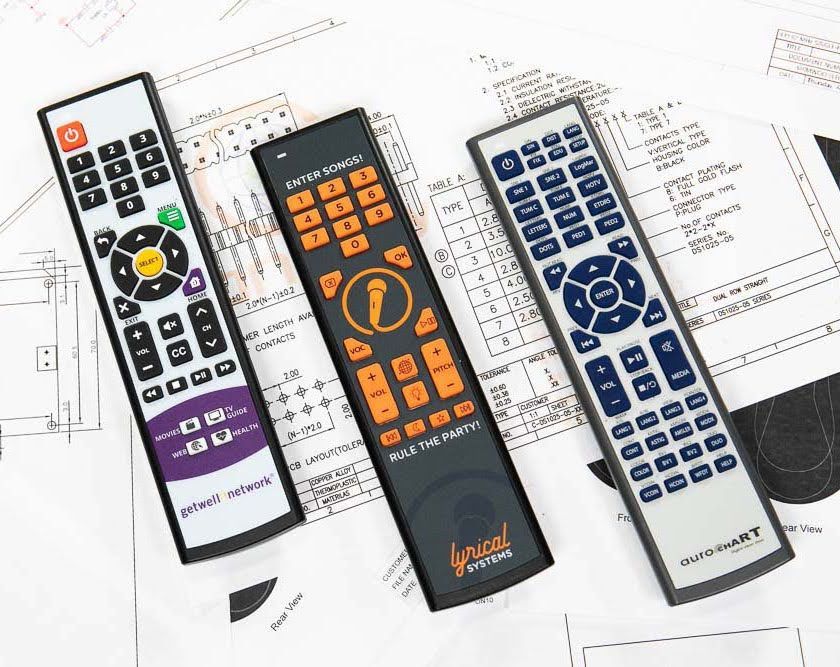
Three colorful remote controls on a blueprint.

Contact Us

Celadon provides free consultation services to discuss any new Infrared, Radio Frequency, or custom product development projects. Please complete the Contact Us form on our website and a representative will contact you to discuss your project. https://celadon.com/contact-us/

Mike Griswold • January 16, 2026

By Mike Griswold December 10, 2025
Bluetooth® Declaration Fees: What They Are and Why They Matter
By Mike Griswold October 30, 2025
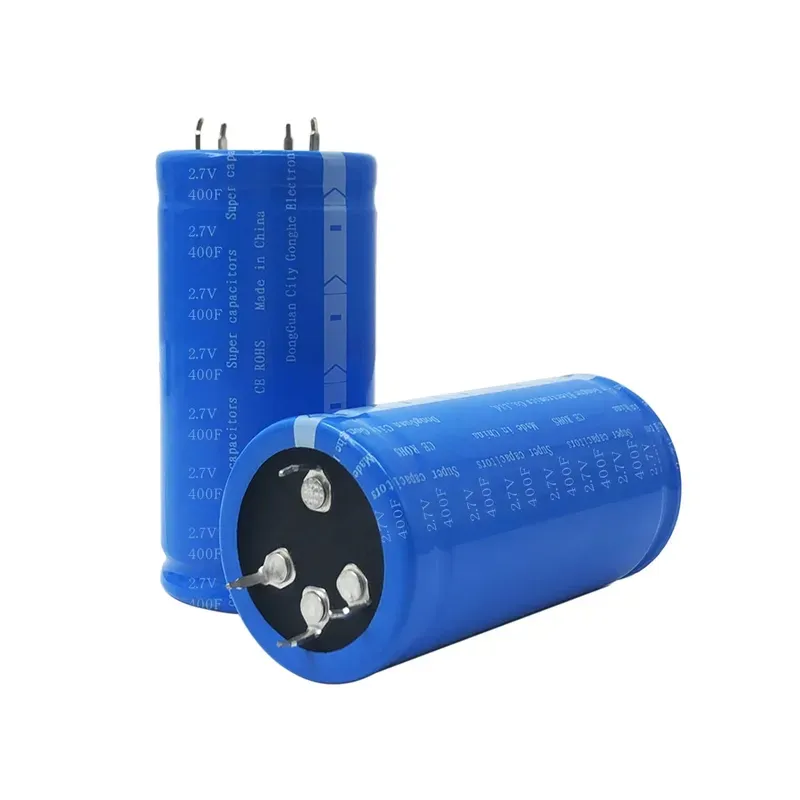
If you’ve ever wished your handheld device could top-off in minutes instead of hours, supercapacitors (also called EDLCs) deserve a look. While they aren’t drop-in replacements for every lithium battery, pairing supercapacitors with USB-C Power Delivery (USB-PD) opens up fast, repeatable charging for custom remotes, receivers, industrial handhelds, and other embedded products—without sacrificing longevity or safety.
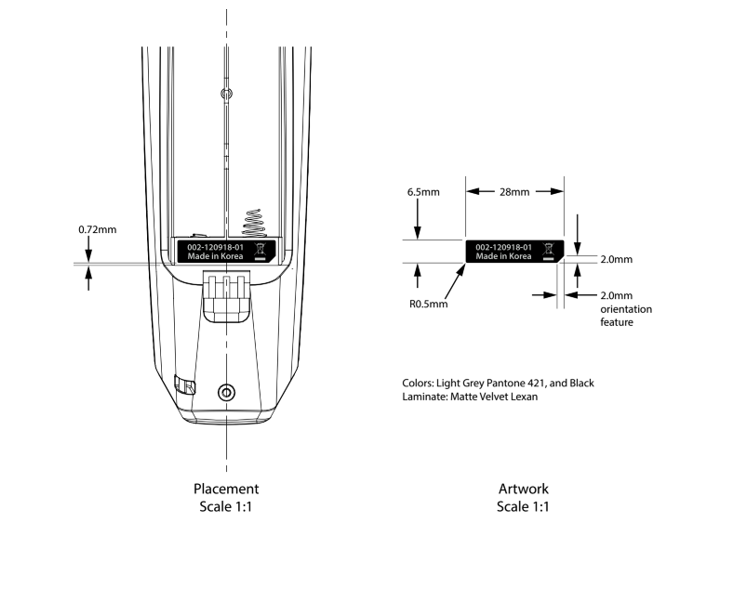
Diagram showing placement and artwork specifications for a label on a device, including dimensions and color.
By Mike Griswold September 26, 2025
Take a look into the product labeling requirements that go into the design work for RF remote controls. This is a comprehensive guide engineers need to know about.
By Mike Griswold August 7, 2025
Choosing between Bluetooth® and proprietary RF? Celadon explains how to choose the best wireless tech for your next custom remote control
August 6, 2025
EMC testing and compliance are key in remote control design. See how Celadon minimizes emissions and meets regulatory standards for electromagnetic compatibility.
January 21, 2025
CNET, Mashable, PCMag, ZDNET and Lifehacker scoured miles of booths and exhibits, then debated and handpicked the best new products of CES 2025.
August 7, 2024
This post explains the custom remote control production process ranging from sourcing materials to assembly, testing, packaging and shipping.
June 17, 2024
The process for developing a hospitality remote control using an OEM remote control enclosure. Define product requirements and specifications
By Mike Griswold April 22, 2024
The process of designing a custom remote control with Celadon from Infrared (IR) or Radio Frequency (RF) to various customization options
February 27, 2024
Celadon provided a variation of the SC33 remote control and later a custom tool for a digital audio player for Slim Devices.
Show More