
What Semiconductor Supply Chains Can Teach Every Manufacturer About Planning Ahead
How Celadon helps manufacturers build resilient supply chains in an unpredictable world.
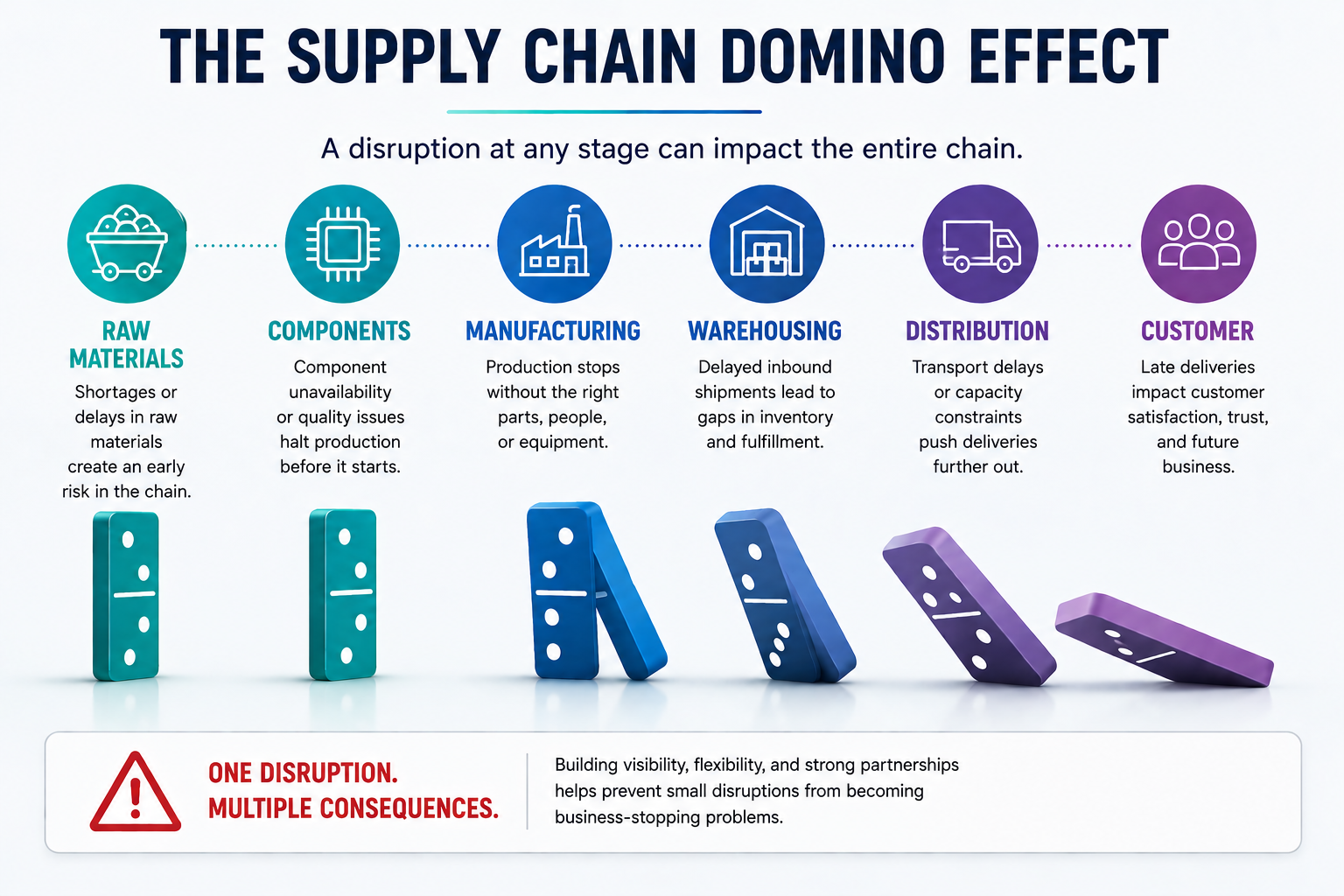
When One Missing Part Stops Everything
Imagine you're assembling a product that contains hundreds of components. Everything is ready to ship except for one small part.
Production stops. Orders are delayed. Customers become frustrated. Revenue is pushed into next quarter.
This exact scenario has played out repeatedly throughout the semiconductor industry. While semiconductors may seem like a niche topic, the lessons learned from their supply chain challenges apply to nearly every manufacturer today.
A recent IndustryWeek article,
“What Semiconductor Supply Chains Can Teach the Rest of Manufacturing,” highlights several key strategies manufacturers can adopt to become more resilient in an increasingly unpredictable marketplace.
At Celadon, we've seen these same principles play out across industries ranging from consumer electronics and industrial controls to custom OEM manufacturing.
The Biggest Lesson: Supply Chains Are No Longer a Back-Office Function
Historically, many organizations viewed supply chain management as something that happened after products were designed and production schedules were established.
Today's market doesn't allow that luxury.
Supply chain decisions are business decisions. Waiting until a product is ready for production to think about sourcing, inventory, transportation, or supplier availability often means the best options have already disappeared.
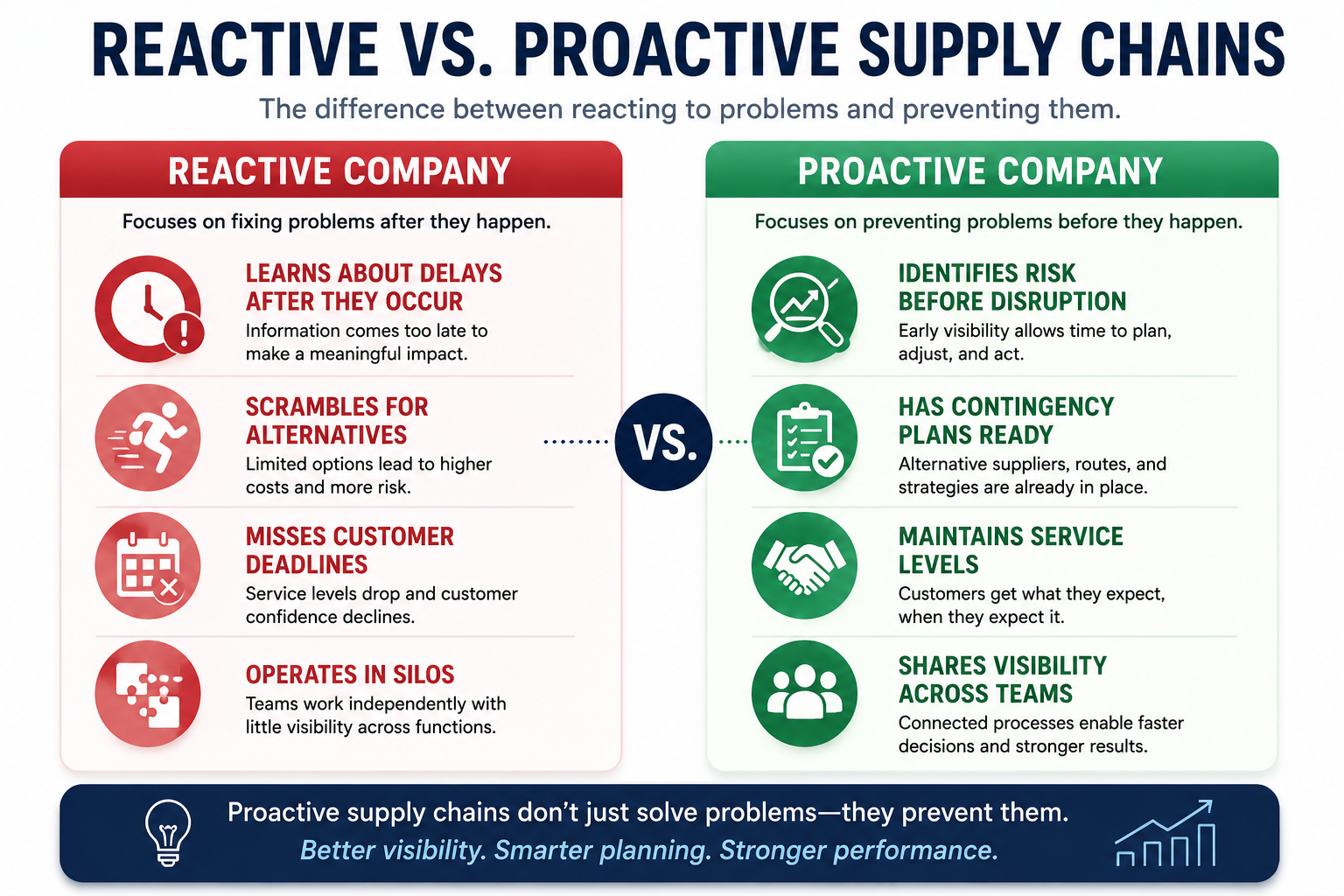
Forward-thinking companies plan these variables months—or even years—in advance. At Celadon, we help manufacturers evaluate these risks early, allowing organizations to identify vulnerabilities before they become costly disruptions.
Why This Matters to Electronics Manufacturers
While supply chain disruptions can impact any industry, electronics manufacturers face unique challenges due to their reliance on specialized components, long lead-time parts, and globally distributed supplier networks.
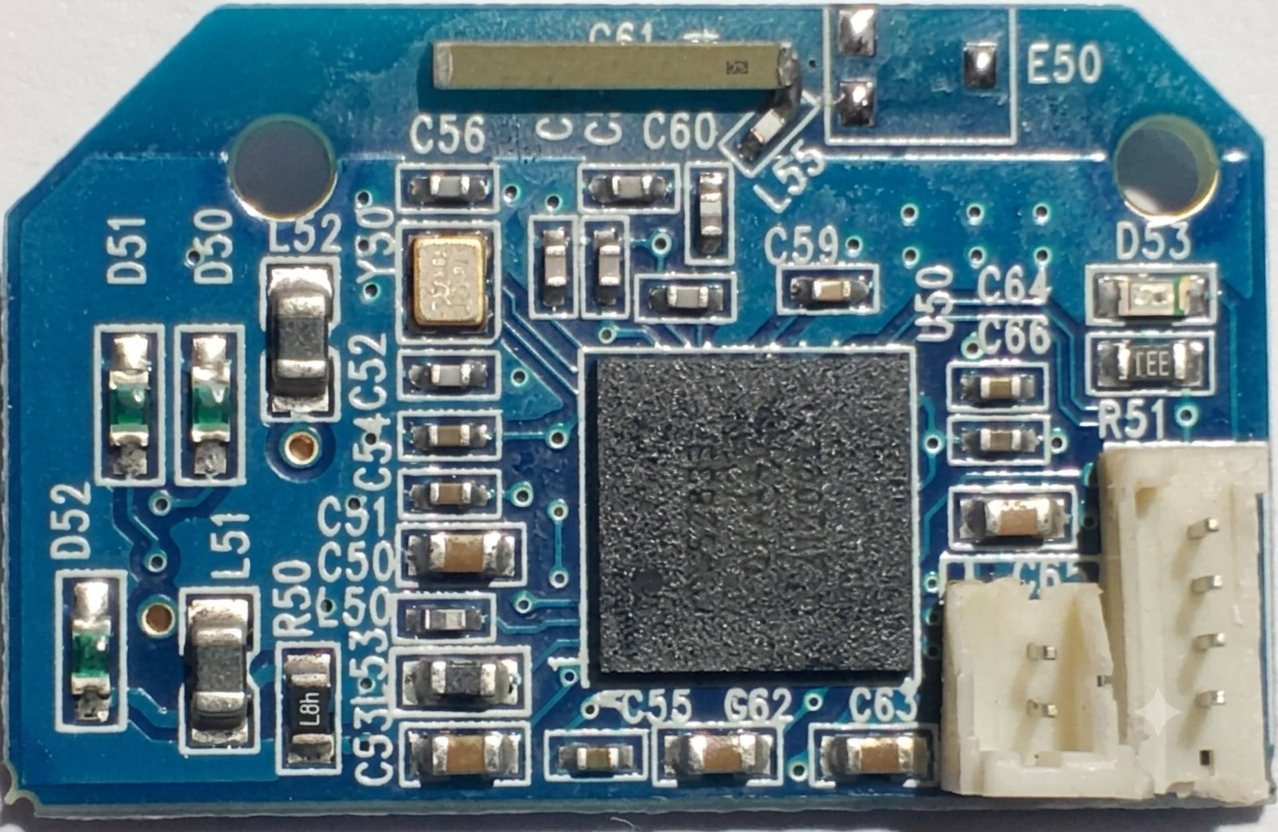
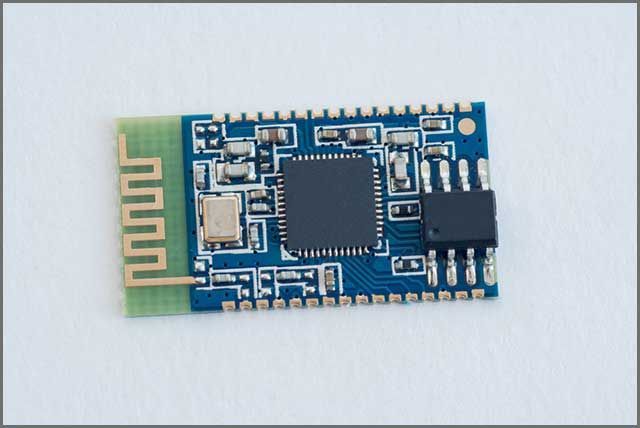
A single unavailable microcontroller, integrated circuit, display component, or wireless module can delay an entire production run—even when every other component is available.
Successful electronics manufacturers focus on:
• Qualifying multiple suppliers whenever possible
• Forecasting demand well in advance
• Monitoring lead times for critical components
• Maintaining strategic inventory levels
• Building contingency plans for sourcing and logistics disruptions
At Celadon, we've helped organizations navigate component shortages, supplier transitions, evolving regulatory requirements, and changing market conditions by integrating supply chain planning directly into the product development and manufacturing process.
Visibility Is No Longer Optional
One of the most common challenges manufacturers face isn't a lack of information—it's too much disconnected information.
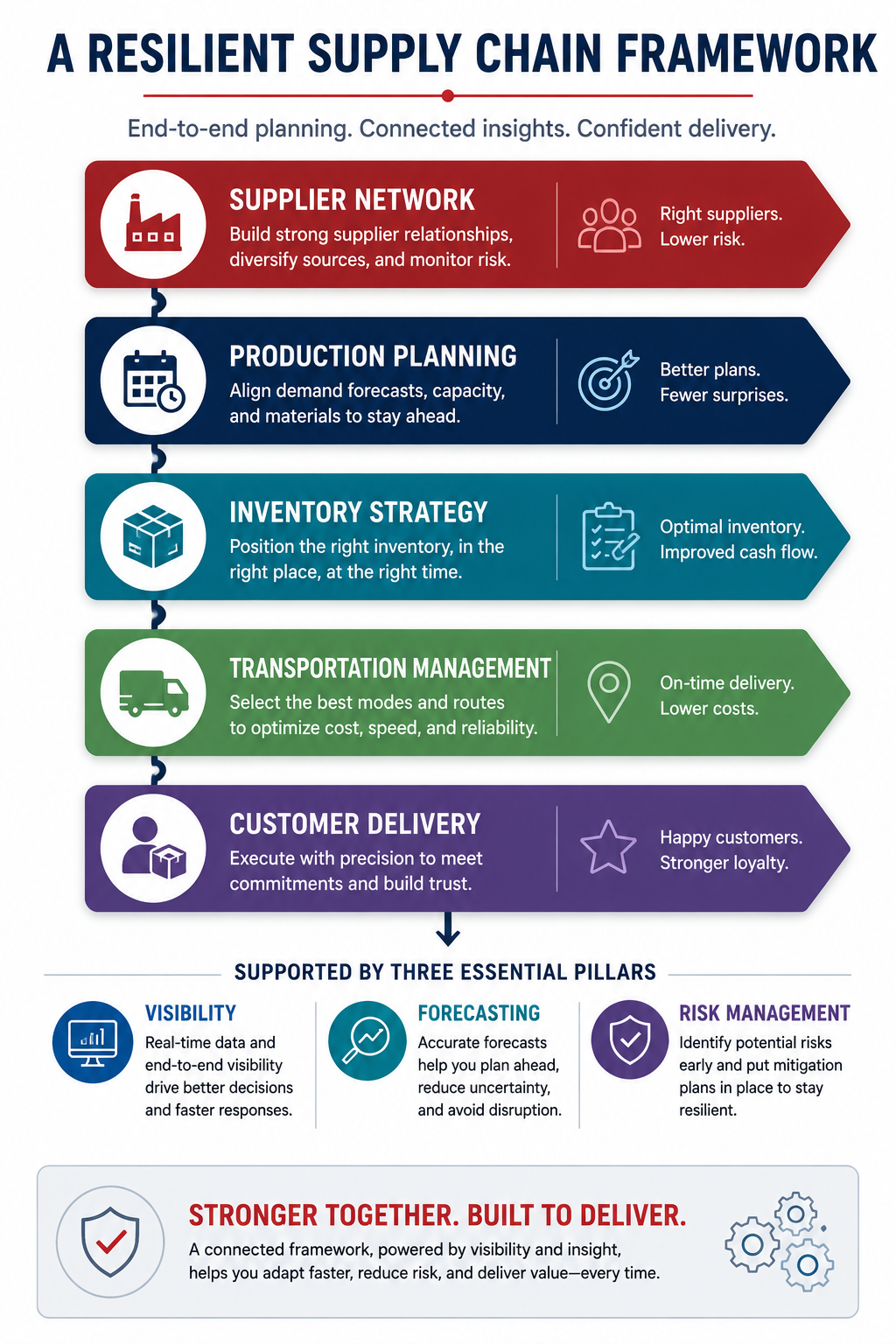
The companies that consistently outperform their competitors have invested in visibility. They understand where inventory is located, which suppliers are at risk, how transportation schedules are performing, and what customer demand is likely to look like in the coming months.
This visibility allows them to react before disruptions become crises.
The Cheapest Supply Chain Isn't Always the Best Supply Chain
For years, businesses optimized supply chains almost exclusively around cost.
While these strategies often improved short-term profitability, many organizations discovered they had inadvertently removed their safety net.
The goal today isn't simply efficiency. The goal is resilience.
That means understanding where strategic inventory should be positioned, where backup suppliers are needed, and where transportation alternatives should be established before they're required.
Expert Perspective: Supply Chain Planning Starts Before Procurement
One of the most common mistakes manufacturers make is assuming supply chain planning begins when a purchase order is issued.
In reality, the process starts much earlier.
When engineering teams select components, they are often making supply chain decisions at the same time. Factors such as component availability, lifecycle status, supplier concentration, and lead times can have a significant impact on future production flexibility.
At Celadon, we encourage customers to evaluate supply chain risk during product development—not after production schedules have been established.
Why Regional Supply Chains Are Becoming More Important
Manufacturers are increasingly evaluating how close suppliers, production facilities, warehousing operations, and transportation providers are to one another.
When supply chain partners operate within the same region, lead times are often shorter, communication improves, transportation costs become more predictable, and recovery from disruptions becomes faster.
Celadon Perspective
“The most resilient manufacturers don't wait for supply chain problems to appear—they design their operations to anticipate them.”
— Celadon Supply Chain Team
How Celadon Helps Manufacturers Stay Ahead
At Celadon, we understand that supply chain success isn't measured by how efficiently products move when everything goes according to plan.
It's measured by how effectively organizations respond when things don't.
We help manufacturers improve supply chain visibility, evaluate supplier and logistics risks, strengthen transportation strategies, improve forecasting accuracy, and create contingency plans for disruptions.
The semiconductor industry has become one of the world's most valuable case studies in supply chain management. The companies that have adapted successfully aren't necessarily the ones with the largest budgets or the most advanced technology. They're the organizations that understand the importance of planning, visibility, resilience, and collaboration.
By investing in smarter planning and stronger supply chain partnerships, organizations can reduce surprises, improve customer satisfaction, and position themselves for long-term growth. At Celadon, that's exactly what we help our clients achieve.
A Manufacturing Partner That Knows How To Navigate The Supply Chain
If you’re looking for a manufacturing partner that understands it way through the supply chain in the custom remote control industry, we’re confident you’ve arrived at the right place! At Celadon, we couple our experience with supply chain management, sourcing, and producing custom remote controls in a way that makes it easy for our customers to no longer worry about the process and simply focus on building their core product.
- Visit Celadon to learn about custom product development and manufacturing solutions
- Get expert guidance on RF, IR, and wireless technologies
- Start a conversation about optimizing your current product or launching a new one
Contact Celadon today to schedule a free consultation and discover how a strategic manufacturing partner can help you reduce risk, improve performance, and accelerate your next product launch: https://celadon.com/contact-us/.
Mike Griswold • June 18, 2026