How Electronics Manufacturers Can Reduce Supply Chain Disruptions Before They Stop Production

A practical guide to forecasting, component strategy, inventory planning, and stronger supplier collaboration.

One missing part can stop an entire production run. The enclosure is ready. The printed circuit board is designed. Packaging is waiting. Customers expect delivery. But a microcontroller, wireless module, display, or other critical component is unavailable—and the schedule suddenly changes.


For electronics manufacturers, this is not a theoretical risk. Specialized components, globally distributed suppliers, shifting demand, transportation delays, geopolitical tensions, and extreme weather can all affect availability. The U.S. Quadrennial Supply Chain Review emphasizes that visibility, forecasting, deeper inventories, redundancy, and collaboration remain central to resilience. Meanwhile, the Federal Reserve Bank of New York’s Global Supply Chain Pressure Index combines transportation and manufacturing indicators to help track how supply pressure changes over time. The larger lesson is simple: conditions move, so manufacturers need a plan before they do.


As we explained in What Semiconductor Supply Chains Can Teach Every Manufacturer About Planning Ahead, supply chain management is no longer a back-office function. It belongs in product design, forecasting, purchasing, and customer planning from the beginning.


Critical electronics components should be evaluated for availability and lifecycle risk during product development.

The Shift From Supply Chain Awareness to Supply Chain Action


A June 2026 IndustryWeek analysis argues that manufacturers can learn from the semiconductor industry by treating supply chains with the same discipline used to engineer production systems. That means identifying single-source risks, involving supply-chain expertise before a design is locked, strengthening vendor relationships, and making data central to decisions.


For Celadon customers, those principles translate into practical steps. The goal is not to predict every disruption. It is to create enough visibility, flexibility, and time to keep a disruption from becoming a production shutdown.


How Celadon Helps Minimize Supply Chain Disruptions


1. Long-Term Vendor Relationships Create Earlier Visibility


Celadon maintains long-term relationships with key vendors, suppliers, and distributors. Those relationships support proactive communication about potential short- and mid-term supply issues, including changing lead times, allocation concerns, price movements, and component lifecycle changes.


The customer benefit: more time to evaluate options. Earlier visibility can create room to adjust a production schedule, reserve inventory, review an alternate part, or communicate realistic delivery expectations before a shortage reaches the assembly line.


2. Common Components Improve Purchasing Flexibility


Whenever the application allows, Celadon standardizes around common electronic components. This approach can support larger, more efficient purchases while reducing dependence on custom or uncommon components that may carry longer lead times or fewer sourcing alternatives.


The customer benefit: a design that is easier to support over time. Component selection is not only an engineering choice; it is also a production-continuity choice. Celadon’s PCB development process includes working with customers to define requirements and determine the appropriate microcontroller and other critical components before mass production.


3. Strategic Stocking Protects Repeat Production


For customers who order regularly, Celadon may stock critical components—such as microcontrollers—to help maintain standard production lead times. The appropriate inventory strategy depends on forecast confidence, component cost, shelf life, lifecycle status, order frequency, and the consequences of a shortage.


The customer benefit: less exposure to a short-term availability gap on the part most likely to hold up the build. Strategic inventory is not about stockpiling every item. It is about identifying the components whose absence would have the greatest effect on delivery.

What Customers Can Do to Strengthen the Plan


Provide Quarterly and Annual Production Forecasts


Forecasts allow expected demand to be communicated upstream to suppliers and distributors. Even when a forecast is not a firm purchase order, it gives the supply chain a better view of likely volume, timing, product mix, and seasonal changes.


A useful forecast should be updated regularly and should flag new launches, promotions, customer commitments, engineering changes, and any known demand swings. Forecast accuracy matters, but timely communication matters too. A reasonable forecast that is updated is more useful than perfect information that arrives too late.


Consider Holding More Inventory Where the Risk Justifies It


A larger inventory position can help a customer manage short-term pricing and availability changes. The right quantity should reflect carrying cost, demand variability, obsolescence risk, component lead time, and the business impact of a missed shipment.


This is a targeted decision, not a blanket recommendation to buy more of everything. The strongest plans focus first on high-risk, long-lead-time, or production-critical items.


Adjust Safety Stock for Longer Lead Times


When replenishment takes longer, the same safety-stock level may no longer provide the same protection. Customers should review reorder points and buffer inventory when supplier lead times increase, demand becomes less predictable, or a component has limited approved alternatives.


Place Purchase Orders Earlier and Include Delivery Dates


Earlier purchase orders with clearly defined delivery dates give Celadon more time to book materials, coordinate production, and seek supplier pricing protection where available. A purchase order converts planning information into an actionable commitment and helps align material availability with the requested delivery window.


Customers should avoid assuming that a historical lead time will remain unchanged. Before committing to an end-customer date, confirm the current lead time for the complete bill of materials—not only the final assembly.


The Best Results Come From a Shared Planning Rhythm


Supply chain resilience works best as a partnership. Celadon brings supplier relationships, component knowledge, sourcing visibility, engineering support, and production experience. Customers bring the clearest view of market demand, launch timing, end-customer commitments, and acceptable inventory investment.


Together, those inputs create a planning rhythm: review the forecast, identify critical components, monitor lead times, place orders early, and update assumptions when conditions change. This cycle turns supply chain management from a reaction into a repeatable business process.

Why Manufacturers Choose Celadon as a Supply Chain Partner


Experience. Celadon applies lessons from custom electronics, remote controls, receivers, PCBA development, and repeat production programs to real-world sourcing and scheduling decisions.

Expertise. Component availability and production risk are considered alongside functional requirements, so engineering choices support both product performance and manufacturability.


Authoritativeness. Long-term relationships with key vendors, suppliers, and distributors give Celadon a stronger foundation for communication, visibility, and practical problem-solving.

Trust. Customers receive clear guidance about what Celadon can do, what information Celadon needs, and which decisions remain shared. No supply chain can eliminate uncertainty, but transparent planning helps customers make informed choices before time runs out.


Frequently Asked Questions About Electronics Supply Chain Disruptions


What causes electronics supply chain disruptions?


Common causes include unexpected demand changes, long or shifting component lead times, supplier concentration, transportation delays, geopolitical events, severe weather, quality problems, allocation, and component obsolescence. A single unavailable critical part can delay the entire product even when every other item is ready.


How far ahead should customers forecast production?


Celadon recommends providing both quarterly and annual forecasts, then updating them as demand changes. The appropriate horizon depends on the product and bill of materials, but long-lead-time components should be reviewed well before the requested production date.


Does a forecast reserve components or guarantee a delivery date?


No. A forecast improves visibility but is not the same as a purchase order or supplier allocation. Firm orders, agreed delivery dates, and current material confirmations are needed to turn expected demand into an actionable production plan.


Why does Celadon prefer common electronic components when possible?


Common components can provide broader availability, larger purchasing opportunities, and more sourcing flexibility than custom or uncommon parts. The final selection must still meet the product’s performance, compliance, cost, and lifecycle requirements.


Can Celadon stock microcontrollers or other critical components for a customer?


For customers who order regularly, Celadon may stock critical components to help maintain standard production lead times. The specific arrangement depends on anticipated demand, component cost and availability, order history, lifecycle risk, and commercial terms.


How should a company decide how much safety stock to hold?


Consider supplier lead time, demand variability, availability of approved alternatives, component lifecycle, carrying cost, obsolescence risk, and the financial impact of a production delay. Safety stock should be reviewed when any of those inputs changes.


Why should purchase orders include requested delivery dates?


A requested delivery date helps align material booking, production capacity, packaging, and logistics. Placing the order early also gives Celadon time to confirm current lead times and communicate constraints before the customer commits downstream.


Can supply chain disruptions be completely eliminated?


No manufacturer can remove every external risk. The goal is to reduce exposure and improve response time through stronger visibility, sound component choices, strategic inventory, early orders, and consistent communication.


Build Resilience Before the Next Constraint Appears


The strongest time to address a supply chain disruption is before it reaches production. By combining Celadon’s vendor relationships, component strategy, and selective critical-component stocking with customer forecasts, appropriate inventory, revised safety-stock levels, and earlier purchase orders, manufacturers can make their supply chains more resilient and their delivery commitments more dependable.


Planning a new electronics product or reviewing risk in an existing program? Contact Celadon to discuss component strategy, production forecasts, and a supply plan built around your product’s real requirements. Schedule a free consultation and discover how a strategic manufacturing partner can help you reduce risk, improve performance, and accelerate your next product launch: https://celadon.com/contact-us/.

Mike Griswold • July 17, 2026

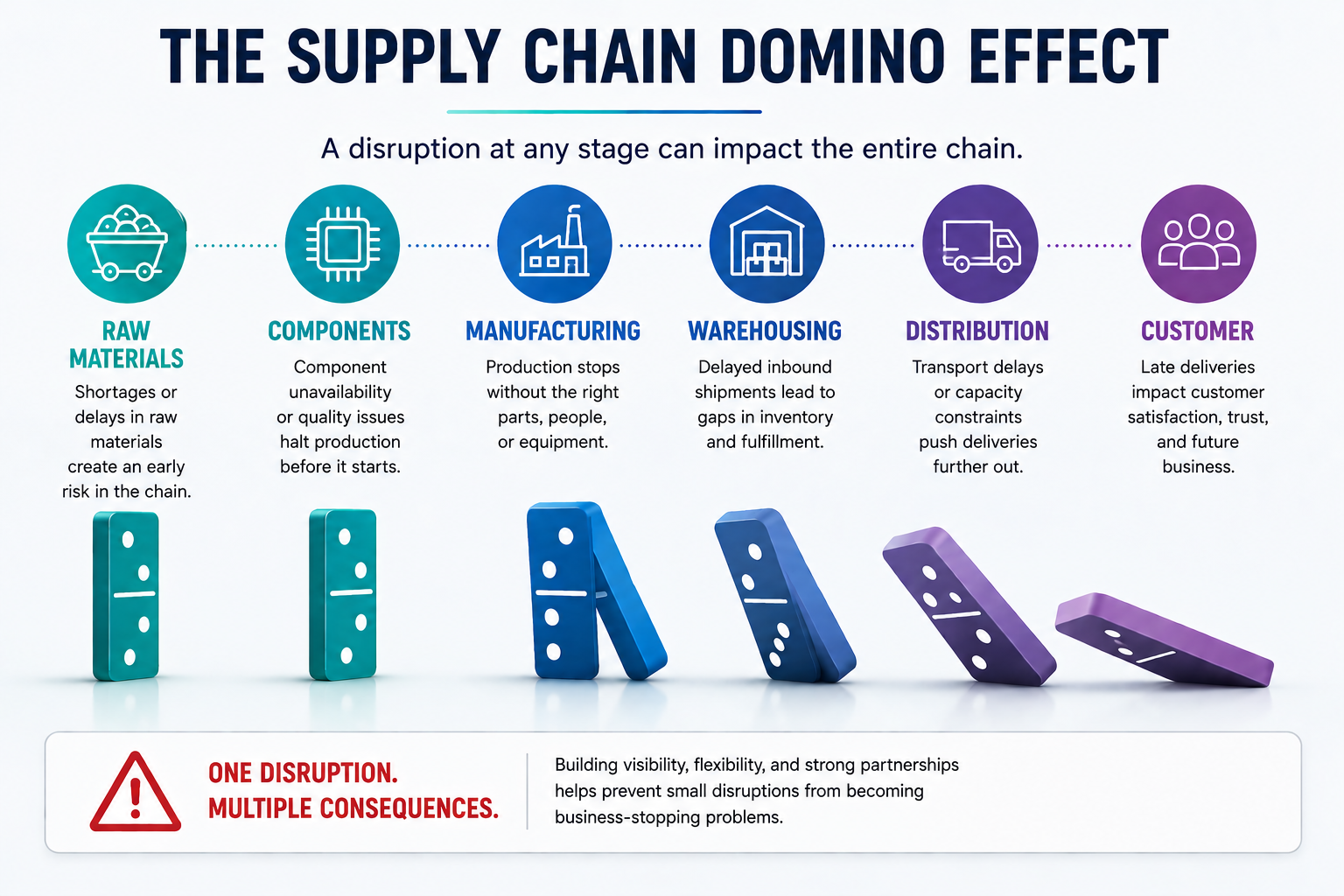
Infographic on supply chain domino effect showing six linked stages from raw materials to delivery and customers.
By Mike Griswold June 18, 2026
Regional supply chain management is becoming more important in the remote-control manufacturing industry. Celadon shows why we can be relied upon proactively.
The original C.O.R.E. remote is left of 2 similar PIC series remotes.
By Mike Griswold May 28, 2026
Learn about how Celadon got started through the founder working as a customer service agent for CL 9, helping with the C.O.R.E. remote to manufacturing remotes
By Mike Griswold April 30, 2026
Manufacturing Trends - Redevelopement and Relocating Outside of China
By Mike Griswold February 20, 2026
A Case Study- The TELUS Senior Remote Project
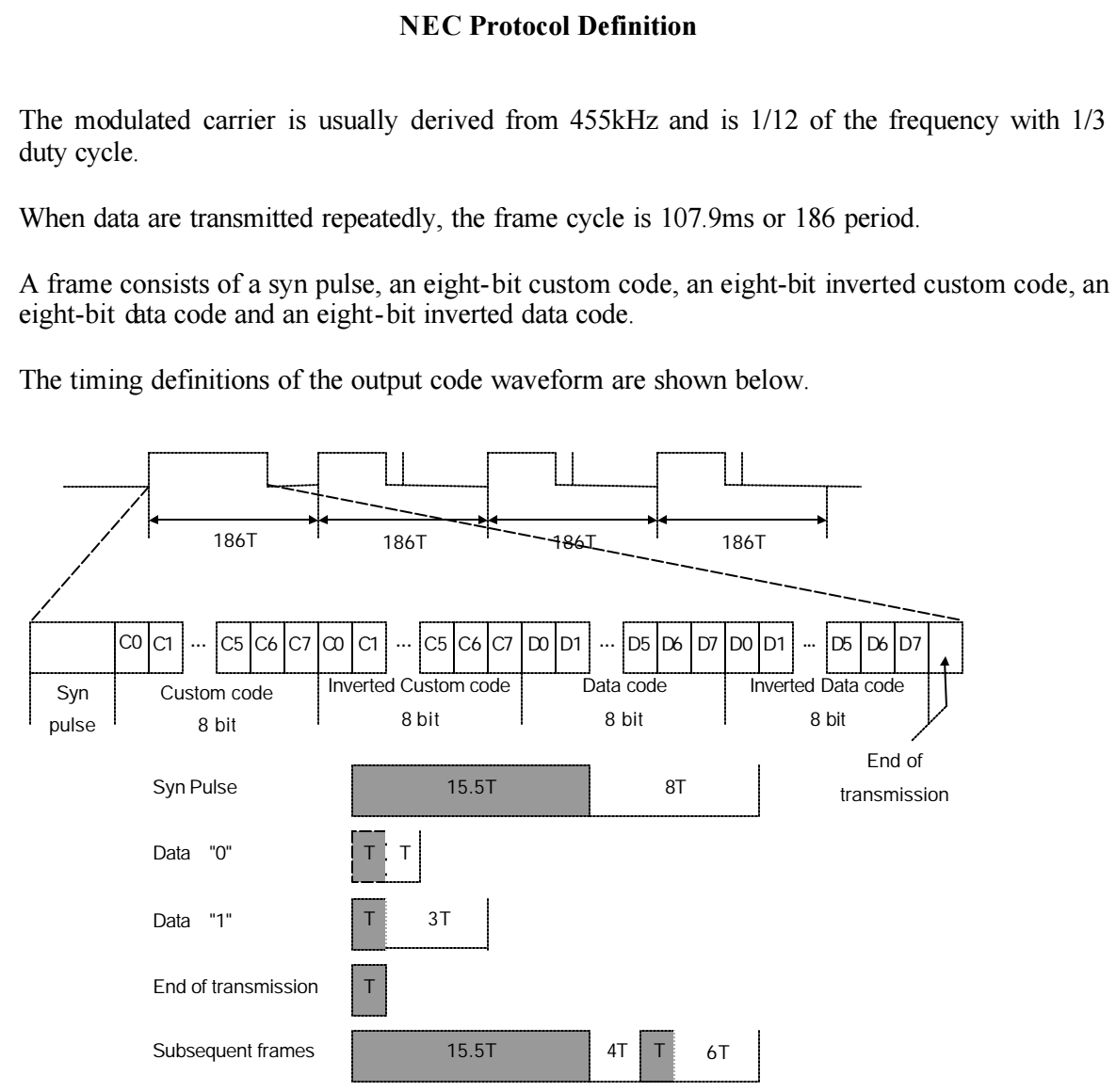
Diagram illustrating NEC protocol timing, showing start pulse, address, data, and their inverted versions, along with timing in milliseconds.
By Mike Griswold January 16, 2026
Infra-red (IR) remote controls are relevant in today's technology scheme. There are many affordable solutions available when looking for remote control solutions.
Blue circuit board with a gold antenna, various chips, and connectors.
By Mike Griswold December 10, 2025
Bluetooth® Declaration Fees: What They Are and Why They Matter
By Mike Griswold October 30, 2025
If you’ve ever wished your handheld device could top-off in minutes instead of hours, supercapacitors (also called EDLCs) deserve a look. While they aren’t drop-in replacements for every lithium battery, pairing supercapacitors with USB-C Power Delivery (USB-PD) opens up fast, repeatable charging for custom remotes, receivers, industrial handhelds, and other embedded products—without sacrificing longevity or safety.
Diagram showing placement and artwork specifications for a label on a device, including dimensions and color.
By Mike Griswold September 26, 2025
Take a look into the product labeling requirements that go into the design work for RF remote controls. This is a comprehensive guide engineers need to know about.
Circuit board with glowing blue and orange lines and a Wi-Fi symbol.
By Mike Griswold August 7, 2025
Choosing between Bluetooth® and proprietary RF? Celadon explains how to choose the best wireless tech for your next custom remote control
Various smart home devices displayed on a table: speakers, cameras, and hubs, with colorful lights.
By Mike Griswold August 6, 2025
EMC testing and compliance are key in remote control design. See how Celadon minimizes emissions and meets regulatory standards for electromagnetic compatibility.
Show More