USB HID, USB Serial, RS-232, and Logic-Level Connections: Understanding the Options
When developing an OEM remote-control system, selecting the right receiver interface is just as important as designing the remote itself. The receiver connects the handheld remote to the equipment being controlled, translating button presses into commands the host can recognize.
For engineers and project managers, choosing the interface early can simplify integration, minimize software changes, and help avoid costly delays. Celadon develops remote-control and receiver solutions for commercial, industrial, medical, and consumer applications. Explore our OEM receiver product line.
Start with the Host Equipment
Before selecting a receiver, determine how the host expects to receive and process commands. Some applications accept keyboard inputs through USB; others require serial messages or direct logic-level connections.
- Electrical compatibility: connections, operating voltages, and power requirements.
- Communication interface: USB HID, USB serial, RS-232, or another interface.
- Command functionality: response to button press, hold, and release.
Establishing these requirements early can reduce changes to the host hardware or software.
USB HID: A Practical Choice for Computer-Based Equipment
USB Human Interface Device (HID) is commonly used for keyboards and mice. In remote-control applications, it can provide a straightforward path for equipment that already supports compatible HID inputs, including kiosks, presentations, and computer-based systems.
Compatibility involves more than connecting the receiver. Confirm the application recognizes commands and handles keyboard focus, button releases, and repeats correctly. If both the receiver and operating system generate repeats, the resulting behavior may differ from what was intended.
For engineers defining HID report descriptors and command assignments, the USB Implementers Forum publishes the HID Usage Tables (version 1.7). These tables define standard usage pages and codes for keyboard, consumer-control, and other HID functions. Selecting a defined usage does not, by itself, guarantee that the host application will respond; the complete HID report and application behavior still need to be validated.
Celadon offers several standard USB HID products including:
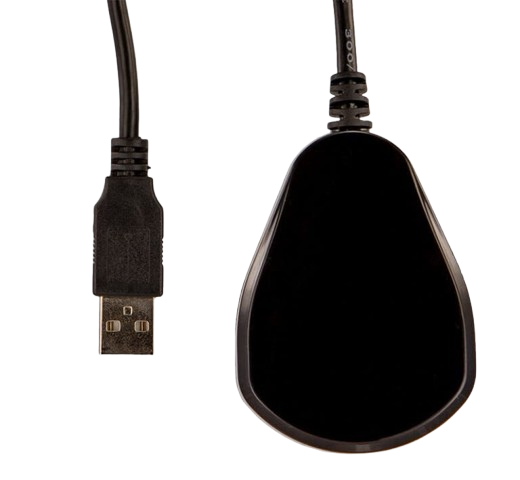
RCV-3000 USB Receiver — an external IR or RF receiver configurable for USB HID or USB serial commands, with cable and mounting options.
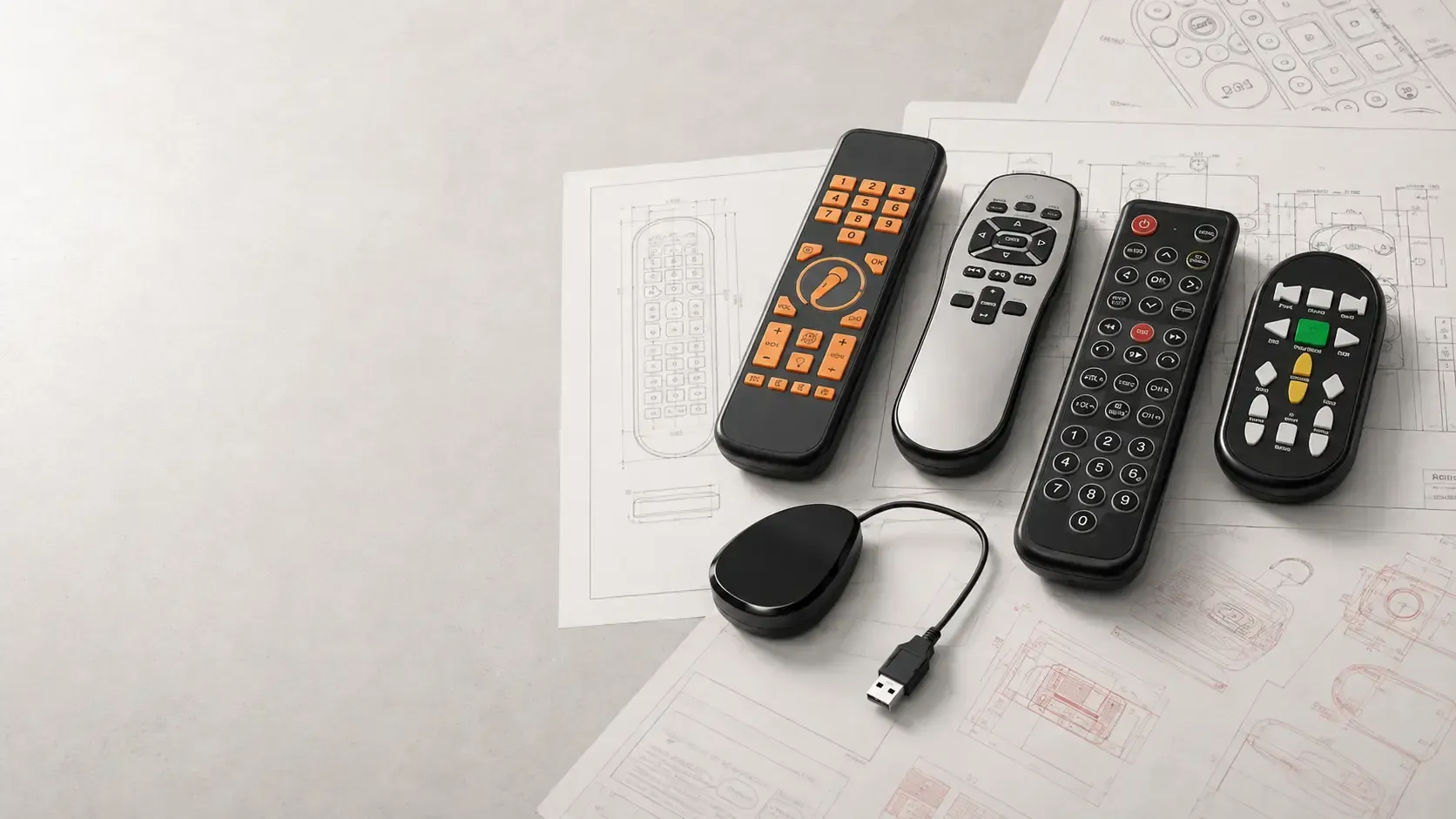
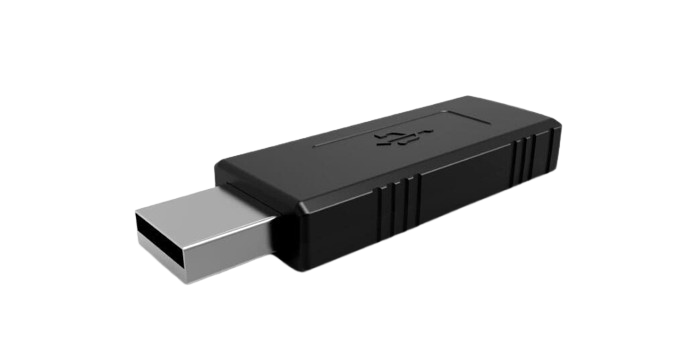
RCV-4000 USB Dongle Receiver — a compact USB Type-A dongle configurable for HID or serial commands and used for IR or RF applications.
USB Serial: Dedicated Command Communication
USB serial supports defined command messages rather than keyboard-style inputs. It can suit software that needs to distinguish volume, navigation, device selection, and other equipment controls.
The host application must support the serial interface and command structure. Confirm formatting, device identification, and behavior after disconnection or reconnection. Both the RCV-3000 and RCV-4000 offer configurable USB serial options.
RS-232: A Proven Solution for Industrial and Commercial Equipment
RS-232 remains common in industrial and commercial equipment with established serial-control interfaces. A compatible receiver can integrate with an existing control path without extensive host changes. Determine and verify baud rate, connector pinout, serial settings, and command formatting during development to ensure compatibility.
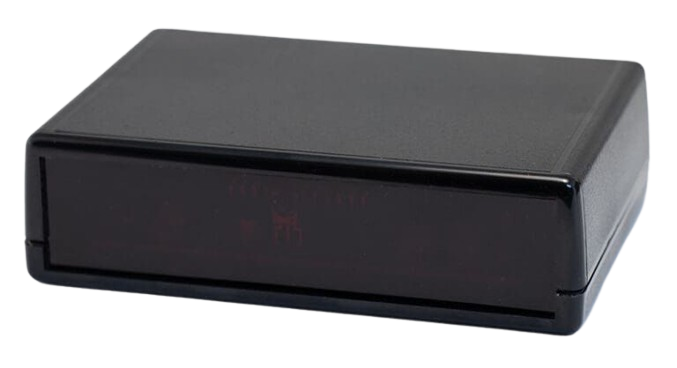
Celadon’s RCV-5000 IR-to-RS-232 Receiver decodes supported consumer IR protocols and outputs ASCII commands over RS-232. This puts infrared decoding in the receiver while the host processes standardized serial messages.
Logic-Level Connections: Integration with Embedded Electronics
For embedded equipment, the receiver may connect directly to the host PCBA through a logic-level interface. The output could be decoded commands, UART data, or demodulated IR pulses, depending on the application. Engineers should specify operating voltage, signal polarity, timing, pin assignments, power sequencing, and which device performs the protocol decoding.
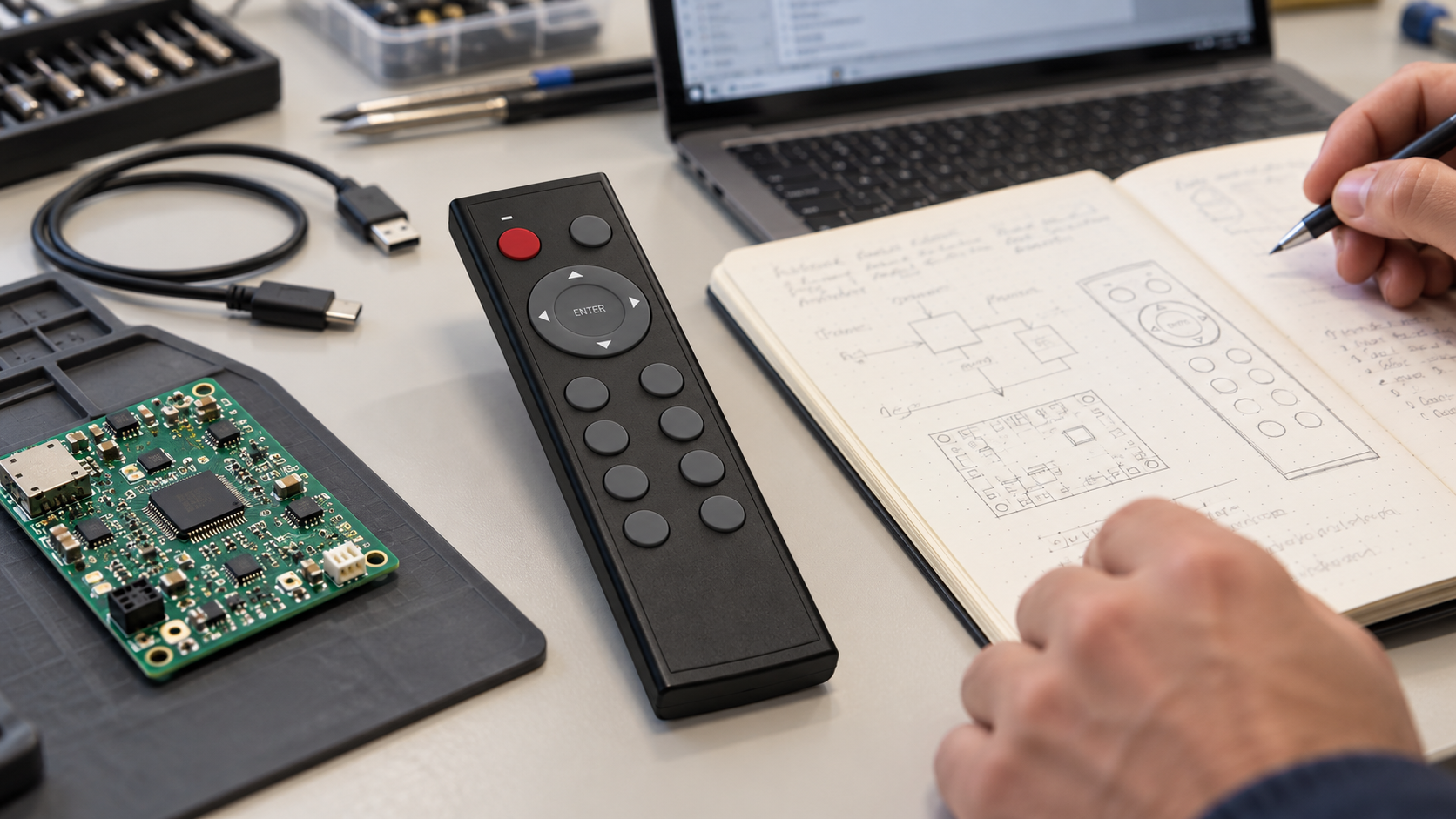
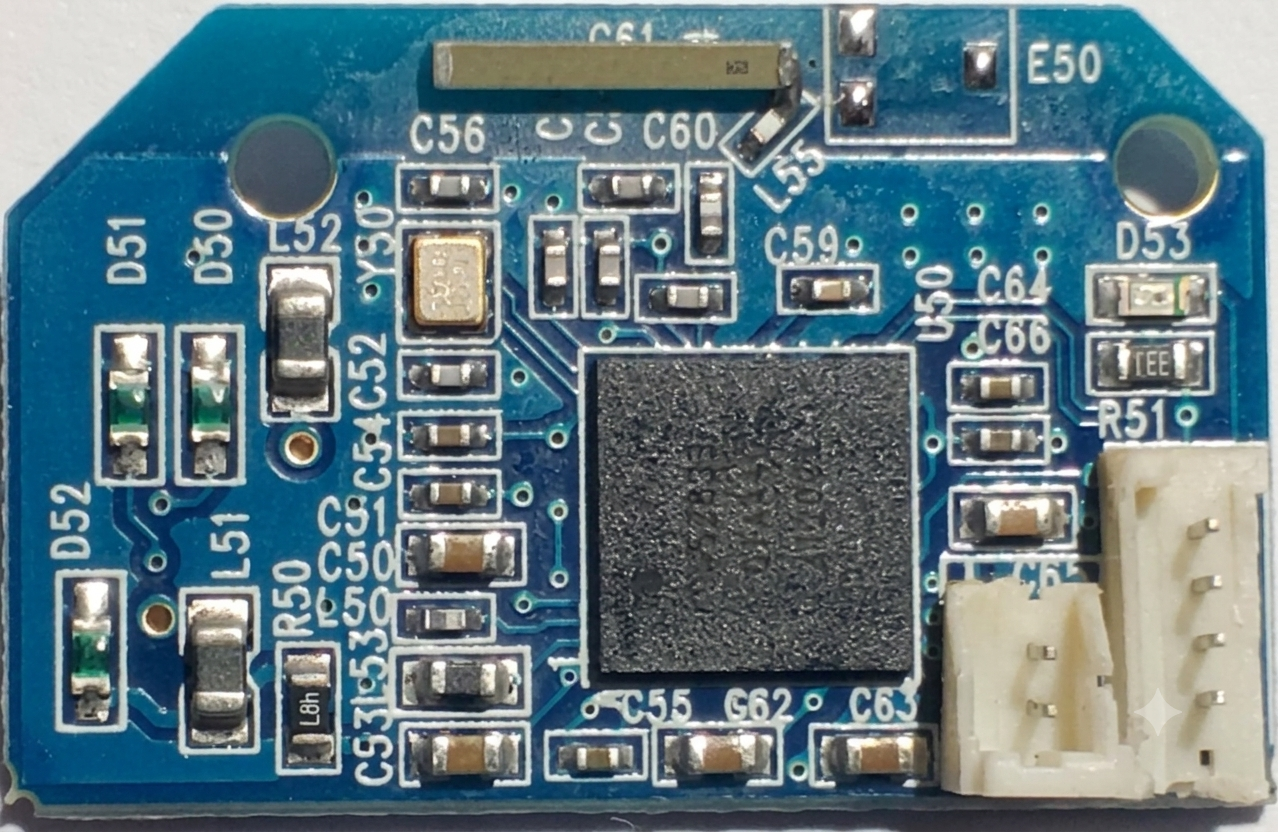
Logic-level and RS-232 signals are not interchangeable. Where a standard receiver is not a suitable fit, Celadon can develop a custom receiver printed circuit board assembly (PCBA) with the specific electrical interface, connector type, mechanical dimensions, and firmware required by the OEM application. This can include a board-level receiver integrated directly into the host equipment, eliminating the need for a separate external enclosure. Learn more about Celadon’s custom PCB development capabilities.
Comparing OEM Receiver Interface Options
| Interface | Typical application | Celadon examples |
|---|---|---|
| USB HID | Kiosks and computer-based equipment | RCV-3000; RCV-4000 |
| USB Serial | Dedicated software commands | RCV-3000; RCV-4000 |
| RS-232 | Industrial/commercial serial control | RCV-5000 |
| Logic-Level | Embedded electronics | Custom OEM receiver PCBA |
The best interface provides the required functionality while minimizing additional hardware and software development.
Don’t Overlook Command Mapping and Button Behavior
Define how each command behaves: one transmission or repeated messages while held; whether a release indication is required; whether devices are individually addressed; and what happens when communication is interrupted.
Celadon supports custom protocols and functionality options, including command mapping, key-release signaling, and device addressability. These details affect user experience and system reliability.
Validate the Complete System Before Production
Test the receiver with the actual host equipment and production software. Include normal operation, rapid and repeated presses, startup, disconnect/reconnect, and restart recovery. Confirm that incomplete or unexpected commands do not cause unintended behavior.
These checks help engineers identify compatibility issues and help project managers avoid late-stage integration surprises.
Working with Celadon on Your Receiver Requirements
Every OEM application is different. Celadon’s OEM receiver lineup offers enclosure options that can be configured for IR or RF, command protocols, and host interfaces. Specialized designs may require custom tooling and PCB development. See also our PCB development services.
When evaluating a solution, provide the host interface specifications, command structure, button functionality, installation constraints, and anticipated production quantities. Defining these requirements early helps reduce engineering effort and deliver a reliable finished product.
Developing a new remote-control system or evaluating a receiver for existing equipment? Contact Celadon to discuss your requirements.